India Pale Ale, Porter, Stout. It was in England that some of the most recognized and reinvented beer styles were born around the world. However, talking about English beer is also talking about neighborhood pubs and a deeply rooted local character. So much so that it took the 18th century for this drink to be called beer - until then, English beer was made without hops and was called ale. The popularity and availability of the various styles has varied over time, but the influence of the United Kingdom and, in particular, England, on the beer world is undeniable. Or the United Kingdom hadn't had one of the highest numbers of brewers per capita.
The beginnings
Beer was already being made in the United Kingdom before the Roman invasion, in 55 BC. There are representations and inscriptions from the 1st century AD that show Roman soldiers buying beer and portray the barons and beer deliveries as part of common life in Londinium (London). And after the Romans left in the 5th century, Roman taverns were transformed into taverns selling local ale. Already at this time, neighborhood pubs, whose owners discuss the news of the day while drinking unfiltered, unpasteurized beer at practically room temperature, are a hallmark not only of England, but of the entire United Kingdom.
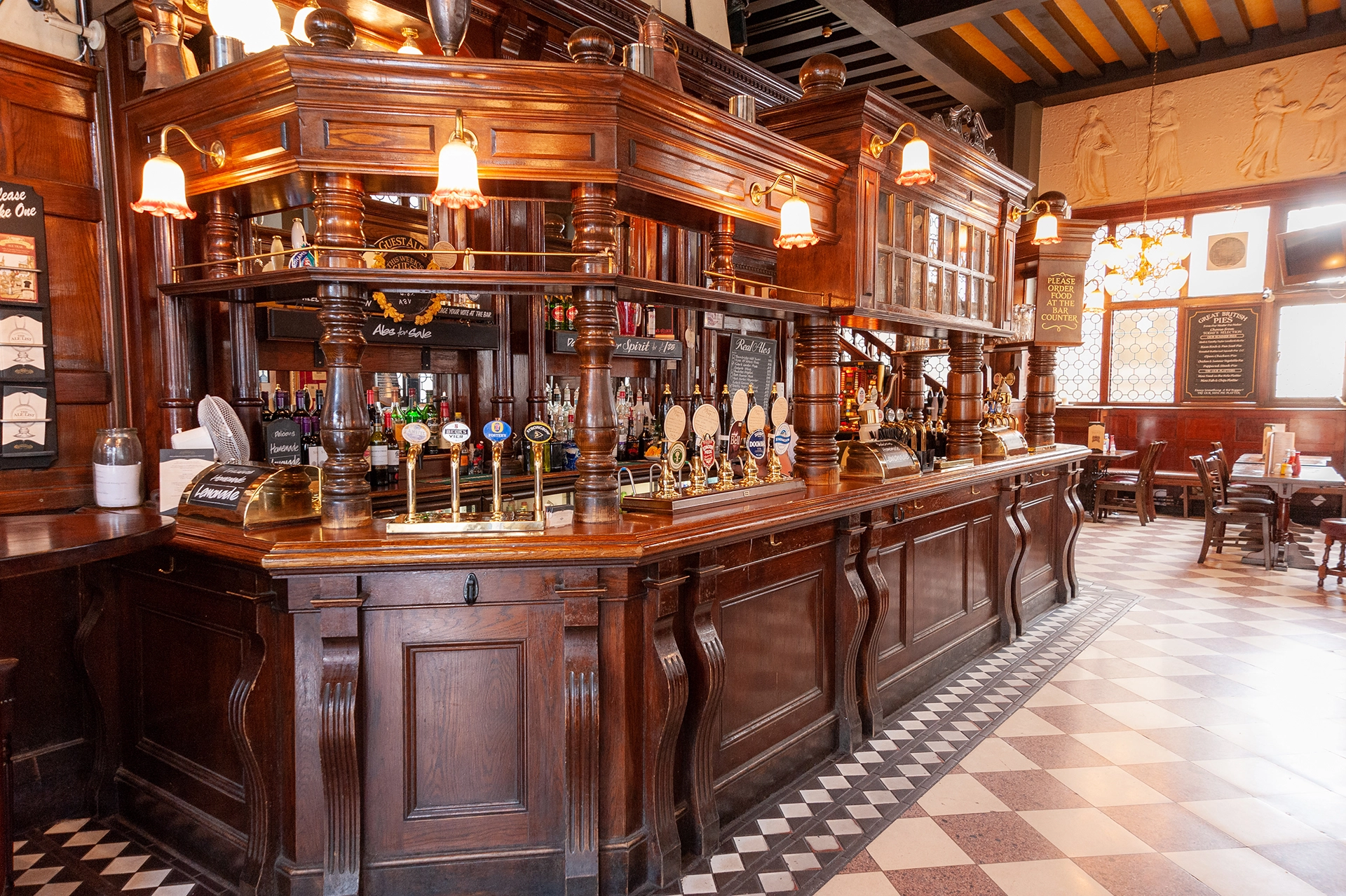
The term 'pub' derives from the expression 'public house', referring to the habit of some people opening their home to the public. Pubs are still part of life and culture today in England, Scotland, Wales, Northern Ireland and the Republic of Ireland.
From houses and monasteries to factories
During the Middle Ages (500-1500) beer was one of the most common drinks in British territory, being produced by monks and in a domestic context. The British Isles are an integral part of Europe's beer belt: an area where, historically, beer has been the alcoholic beverage of choice. This preference is due, in part, to environmental conditions favorable to wheat and barley production.
In 1066, when invaders from Normandy defeat the English, the Anglo-Norman way of life dictates that each village has an ale-making guild. Styles include mild ales, bright ales, Welsh ales and ales adapted to the most important moments. For example, at weddings ‘bride ales’ were made.
During the Hundred Years' War (1337-1453), which pitted England and France against each other, soldiers received a daily supply of eight beers, which led to the expansion of brewing beyond private homes and monasteries and into factories.
From gruit to hops
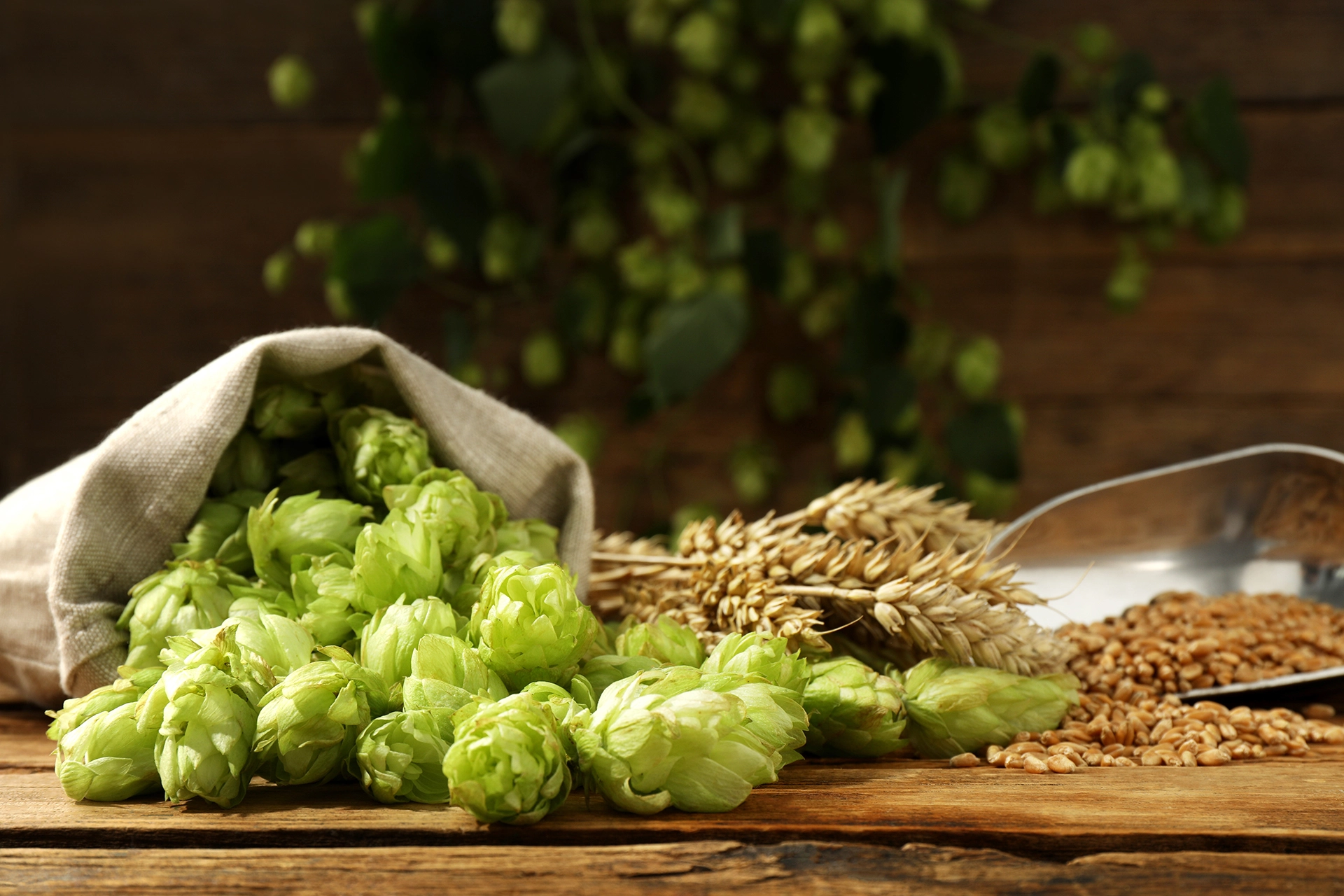
In the mid-1400s, all British beer was called ale and was made with water, cereals, 'gruit' - a mixture of various herbs and spices - and yeast. At the end of the 15th century, hops were introduced from Holland and the term beer began to be used. But even after the arrival of hops, there is reluctance to use them. So much so that, when Henry VIII invades Picardy, in northern France, his captain complains that they have no choice but to drink hoppy beer when the troops run out of ale. During the 15th and 16th centuries the English fought to maintain the distinction between ale and beer. Until, in 1710, a law forced the abandonment of 'gruit', cementing the use of hops in the beer scene in England: all English beer started to be made with hops.
Gruit
A precursor to hops, it is a mixture of herbs that was used in brewing before the 9th century by European brewers. Its composition was varied and could include dozens of flavors, including yarrow, heather, juniper, marsh rosemary and cinnamon.
From ale to lager
By the 19th century, gin had become a popular alcoholic drink. To promote beer, which is healthier compared to spirit drinks, the Beer House Act was created in 1830, which reduced restrictions on brewers, facilitating the sale of beer. At this time, Stout and Porter are popular styles, particularly in London. But Pale Ale made with hops and India Pale Ale (IPA) are becoming more popular alongside mild ale, excluding darker, maltier beers and influencing today's more bitter styles. It was only in the middle of the 20th century that lagers became more popular, marking a greater difference in relation to more traditional ales. As in most of the world, lagers are now dominating the market.
From concentration to experimentation
The tendency towards concentration in the brewing business meant that the 70s were an uninteresting time for English beer, with fewer breweries and a variety of styles. At the end of the 80s, the so-called Big Six - the six main breweries in the United Kingdom - produced 75% of Britain's beer and also owned 75% of the UK's pubs. Many traditional styles, fermented in the barrel where they were served, are no longer produced. In reaction to this trend, organizations such as CAMRA (Campaign for Real Ale) emerged, which became successful in bringing back more traditional styles of ale, with barrel fermentation. Currently, the number of pubs in England is in decline, but in 2002 the number of microbreweries began to increase, alongside tax relief given by the government to smaller breweries. With them, the movement that seeks to innovate in a less conventional way also grows.
80% of beer consumed in England is produced locally.
TYPES OF ENGLISH BEER
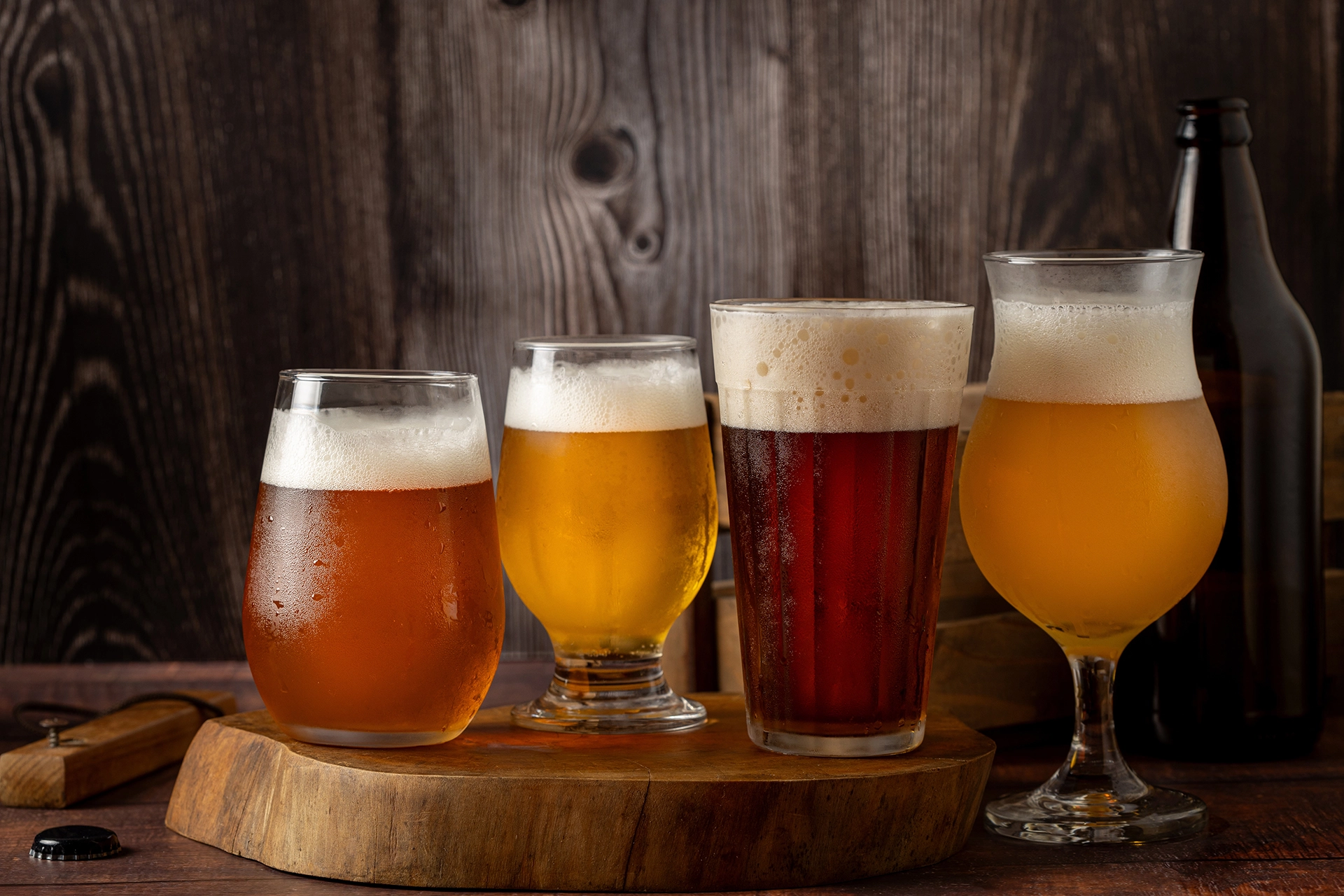
The main beer styles produced in England
1) British Golden Ale
Style created in 1986 to compete with lagers, which were beginning to gain popularity. It has a light hop aroma and flavor, little malt and alcohol by volume of 3.8% to 5%.
2) English Barleywine
Rich beer, with a strong presence of malt and high alcohol by volume, which is close to wine. The English version has less hops than the American version, to balance the malt and alcohol content. Some varieties are aged in wine barrels.
3) English bitter
It was probably the first British beer flavored with hops and, at the time, it was considered quite bitter. With a copper tone and plenty of malt, it is conditioned in barrels in the traditional way. It is classified according to its bitterness as standard, special, premium or ESP (extra special bitter).
4) English India Pale Ale
Created in the 18th century in London, it was later taken to the merchant town of Burton Upon Trent and is one of many styles that were sent to British expatriates and soldiers in India. Golden to amber in color, it has more malt and less hops than its family member from the United States.
5) English mild
The term mild, originally used to describe the freshness of beer, has evolved into its own style. Early versions were strong, but more recently it has evolved to an ABV of 3% to 4.5%. Brown ale is a sweeter, darker version of mild.
6) English porter
A style that evolved from the brown ale popularized by London dock workers and was the first in the world to be mass produced. It is characterized by its brown color, caramel or chocolate malt, creamy texture and ABV of 4% to 5.5%.
7) Imperial stout
The origins of this style date back to 1700, when English Porters were produced to be sent overseas. It was so popular with Tsar Peter the Great and the Russian imperial court that it was also called Russian Imperial Stout. With an ABV of 8% to 12%, it was recovered by the craft beer movement in England and the United States.