
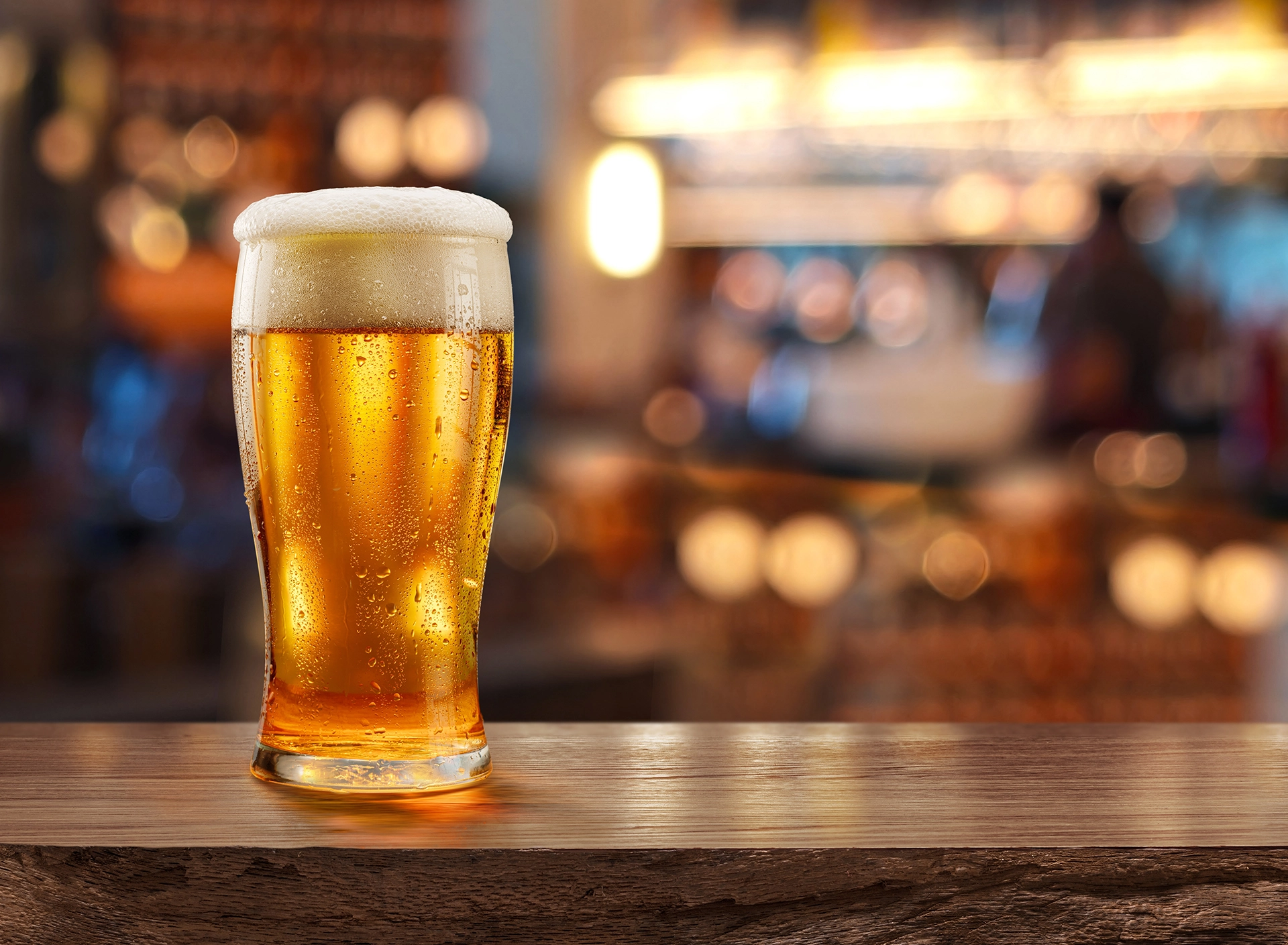
Beer is the most social of alcoholic beverages and also one of the oldest and most globally recognized. You can enjoy a Pilsner, Stout, or IPA after a long day at work to relax, after exercise to rehydrate, or during a get-together with friends to catch up and socialize.
Made from 100% natural ingredients, beer has nutritional benefits that allow you to enjoy it daily—provided it’s consumed in moderation. Here, we highlight some key points about the connection between beer and nutrition.
1. It’s made with natural ingredients
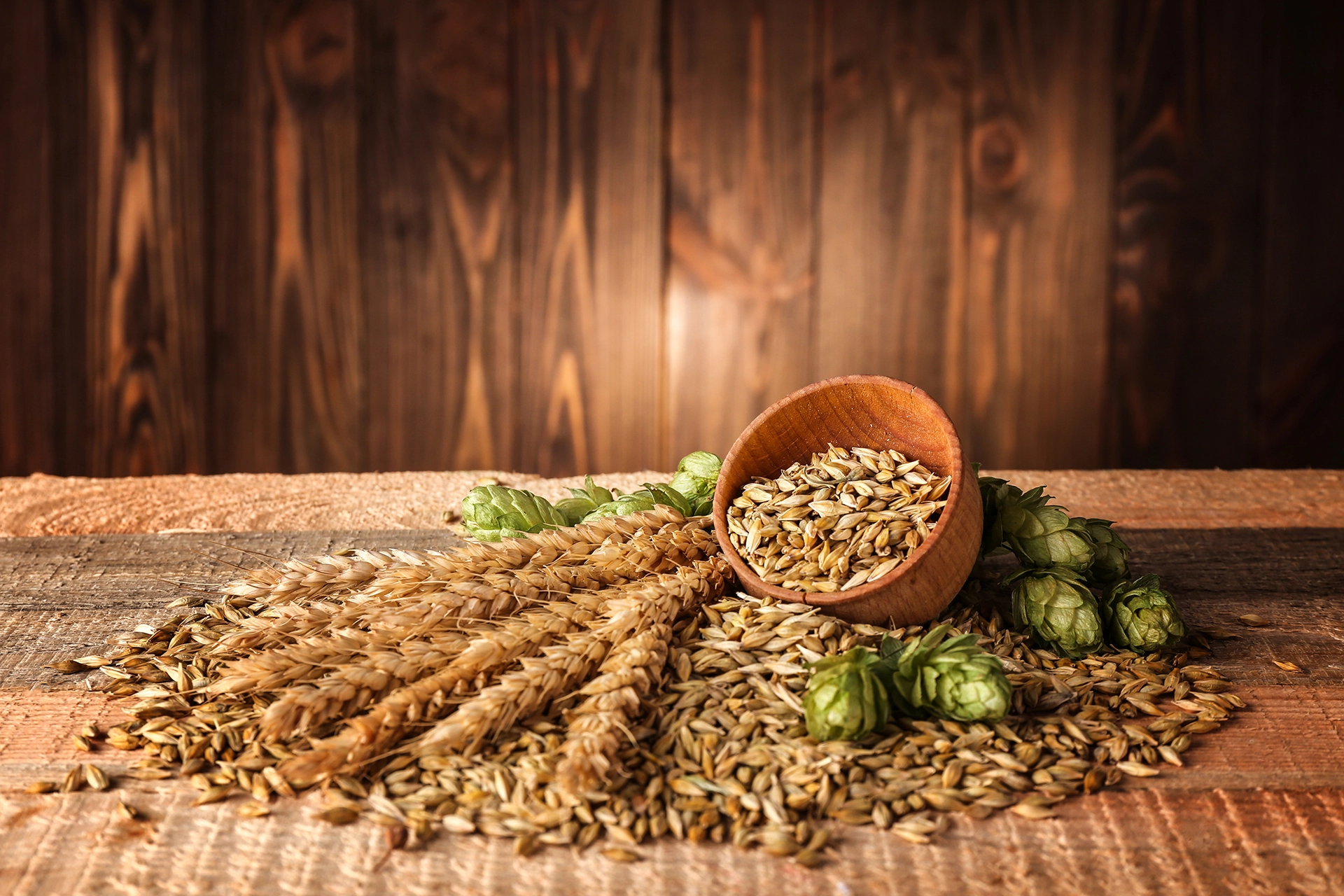
Water, cereals, and hops. These three core ingredients in beer are 100% natural and ensure that the drink contains no preservatives, colorants, or chemical additives. Water makes up more than 90% of a beer—a significant proportion, even higher than the water content in the human body (around 70%).
Cereals, especially barley, form the basis of malt, which is the name given to grains that have undergone the malting process. It’s often said that beer is a “liquid food” and that drinking it is almost like having a meal. While that might be a bit of an exaggeration, the variety of cereals used in brewing gives beer an unusually rich nutritional profile for an alcoholic beverage.
2. It is rich in vitamins, antioxidants and minerals
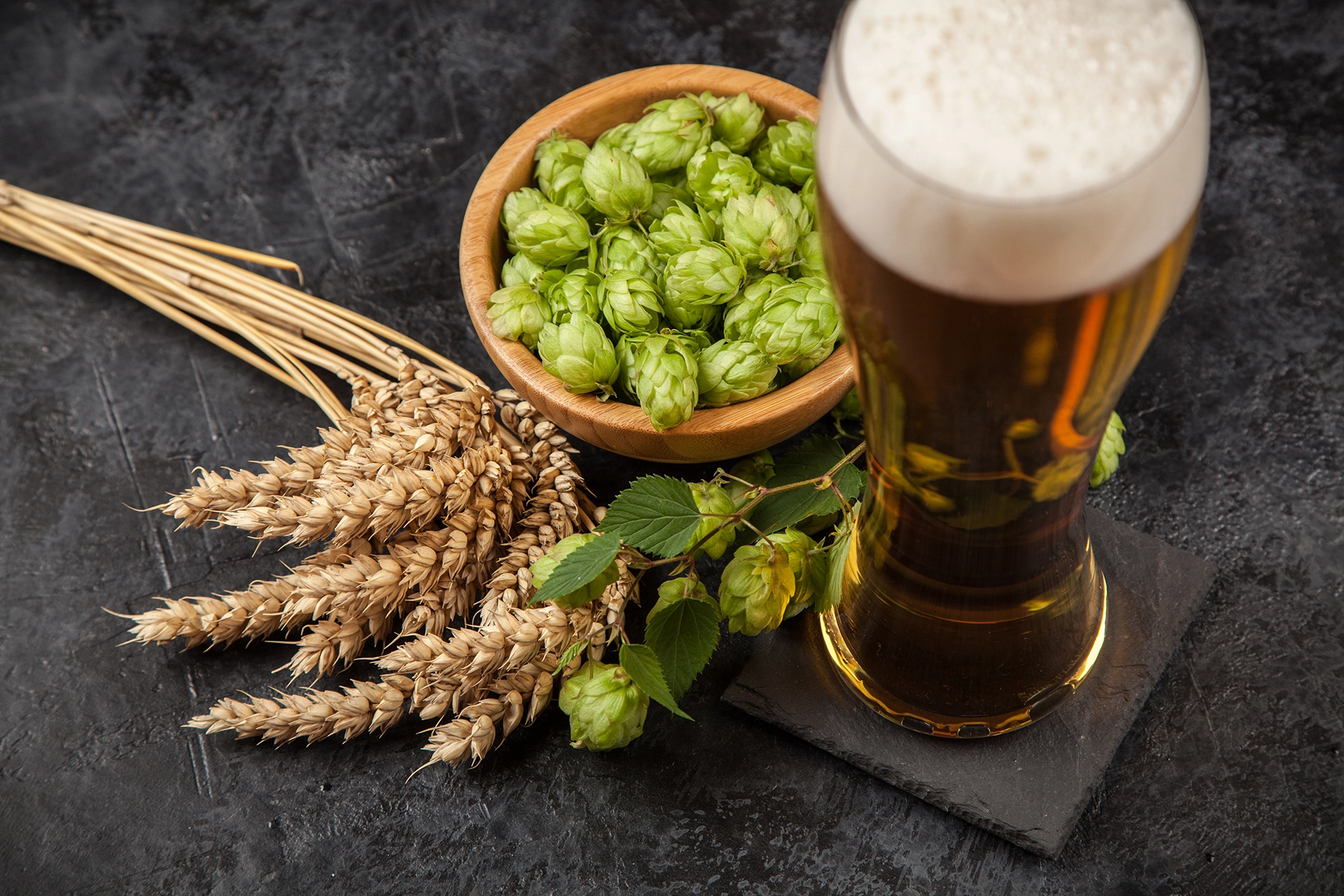
Yes, it’s true. Beer is rich in vitamin B, antioxidants, and minerals (such as magnesium, silicon, and potassium) as well as soluble fiber, which come from cereals like barley, wheat, corn, or rice. The incredible variety of styles on the beer menu means that other ingredients with different nutrients can also be included in its production, such as various fruits, honey, or spices. On the other hand, beer is low in fats and sugars, which you should avoid.
Of course, you shouldn’t rely solely on beer for the nutrients needed for a balanced diet: vegetables and fruits remain the kings and queens of the food pyramid and of healthy eating. However, you can rest assured that your beer also provides some proteins and vitamins that are beneficial for your health.
3.Provides cardiovascular benefits

Drinking beer in moderation can have positive effects on cardiovascular health, as it raises HDL cholesterol (high-density lipoprotein), often called “good cholesterol,” and reduces arterial stiffness. This conclusion comes from the study Moderate Consumption of Beer and Its Effects on Cardiovascular and Metabolic Health, published in March 2021 in the journal Nutrients. The study, a recent review with new scientific evidence, explains that consuming one beer per day for women or up to two beers per day for men is associated with a lower incidence of cardiovascular disease and overall mortality, among other metabolic health benefits. Remember that, beyond moderate beer consumption, it should be integrated into a balanced diet and a healthy lifestyle—for example, by engaging in regular physical activity.
4. Fits modern diets and lifestyles
Beer evolves alongside society. This was true in its earliest days, when brewing was closely linked to agriculture, and also in the development of various styles that, over the past millennium in Europe, addressed both nutritional needs and social interaction. The most famous example is the IPA, created in the 17th century to survive the six-month journey from England to India, and today one of the world’s most recognized beer styles.
More recently, brewing innovations have produced alcohol-free and gluten-free versions, catering to the diets and lifestyles of a wide audience. While these varieties target specific consumers, they offer health benefits to the broader community of beer enthusiasts.
SUPER BOCK GLUTEN-FREE:EVERYONE´S INCLUDED
In Portugal, there are around 15,000 diagnosed celiacs, but the Portuguese Celiac Association (APC) estimates that between 85,000 and 100,000 people may have undiagnosed gluten intolerance. That was reason enough for Super Bock Group to launch a gluten-free version.
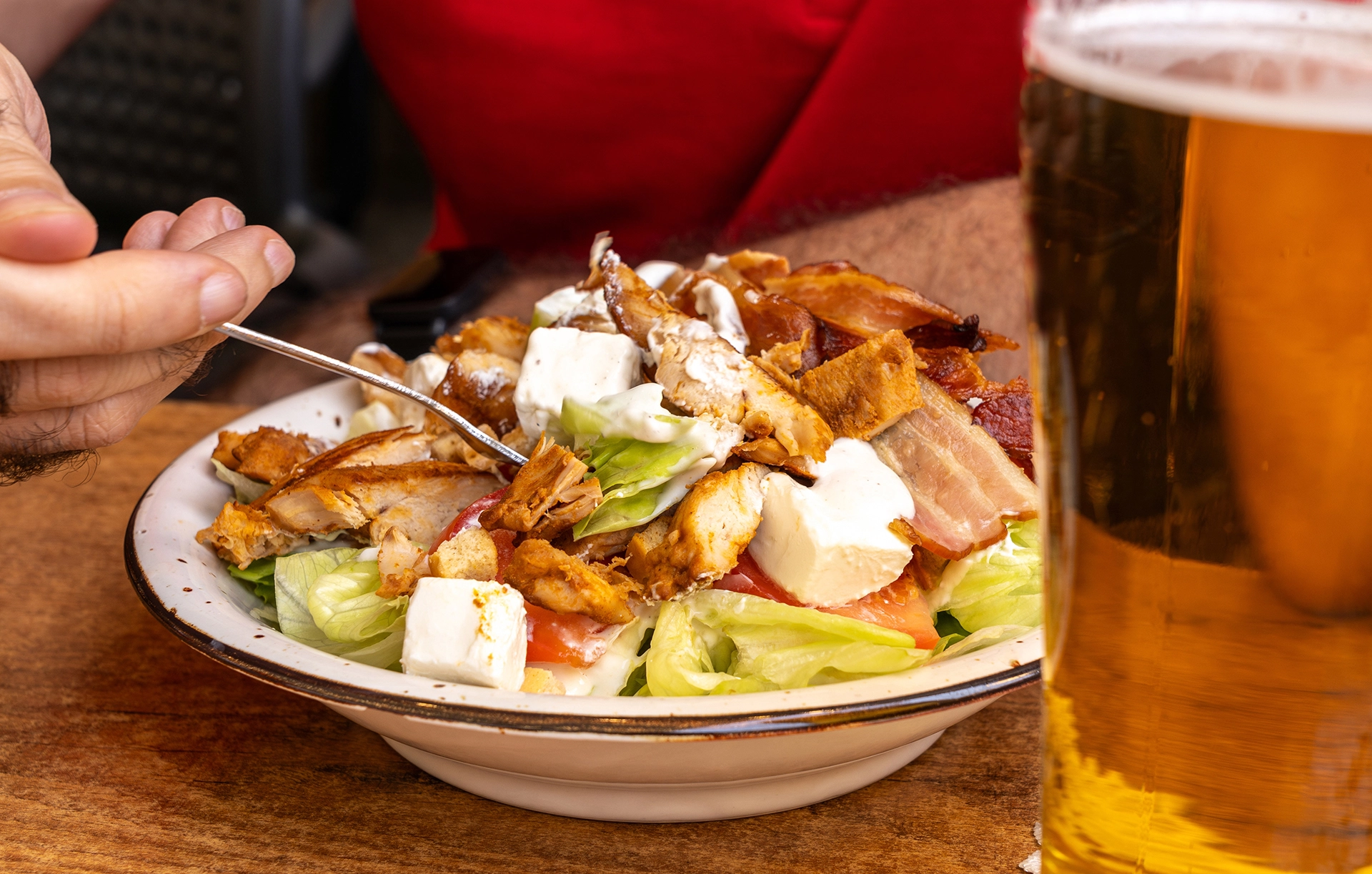
Golden in color with a bright appearance and a fine, consistent white foam, Super Bock Gluten-Free is balanced, fresh, and offers a slightly fruity and malty aroma. Its taste is refreshing, bitter, and well-structured, perfectly balanced with subtle sweetness. With a dry, bitter finish, Super Bock Gluten-Free pairs beautifully with fish and salads and has an alcohol content of 5.2%, the same as traditional Super Bock.
You can purchase Super Bock Gluten-Free in just a few minutes at the Super Bock Store.
5. Low in Calories
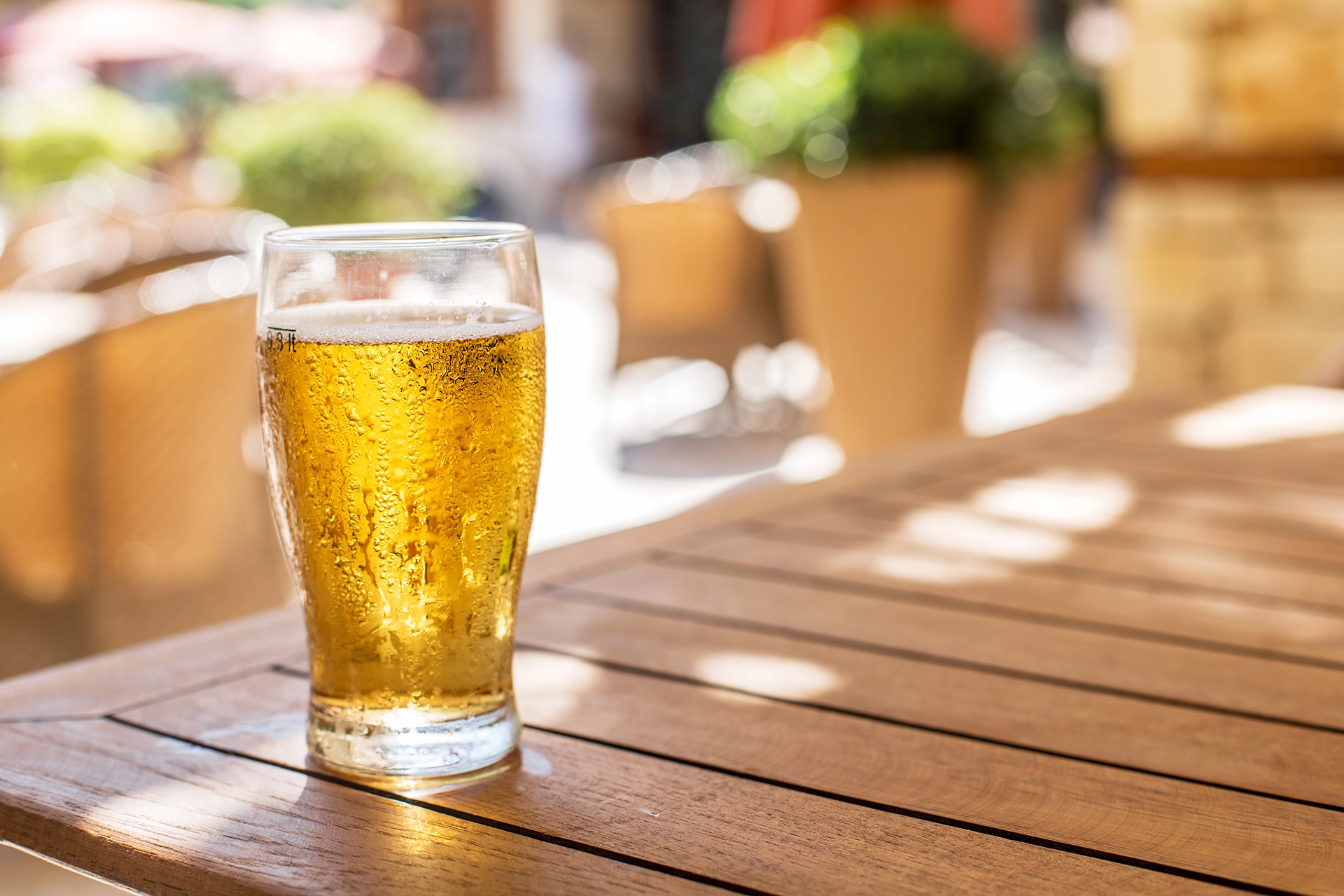
Unlike many other beverages, alcoholic or not, beer is relatively low in calories. A 330 ml Pilsner with an alcohol content between 4.2% and 5.8% contains roughly 120 to 160 calories. However, the higher the alcohol content, the more caloric the beer becomes—each gram of alcohol equates to 7 calories.
If you’re still concerned about the calories in your beer, there’s an easy solution: burn them off! For every 180 calories you consume, you could do:
- 14 minutes of running
- 17 minutes of swimming
- 20 minutes of playing soccer
- 28 minutes of cycling
- 29 minutes of playing tennis
- 44 minutes of walking
As you can see, it’s entirely possible to stay in shape while enjoying your beer leisurely, without worrying about your waistline.