

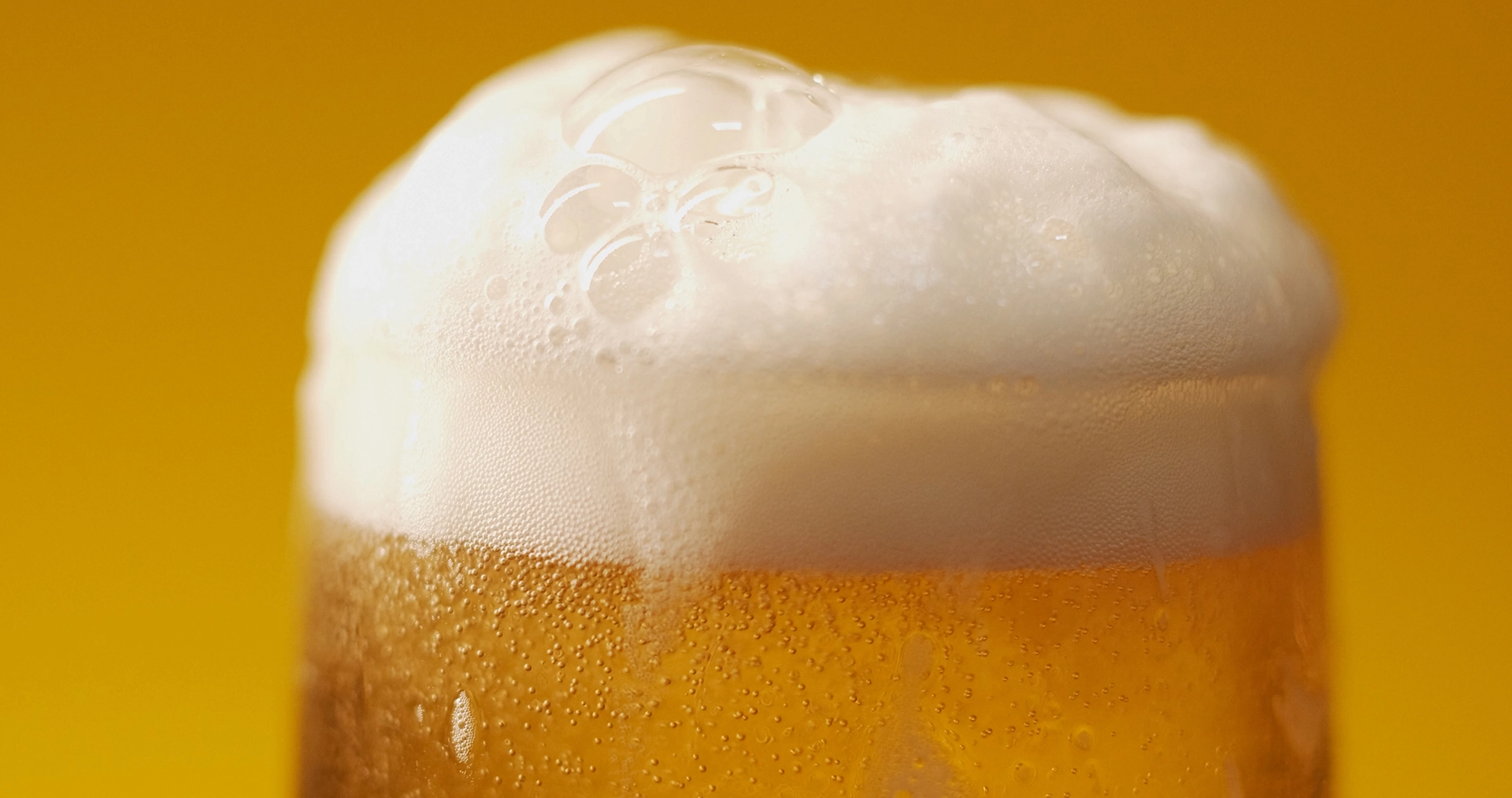
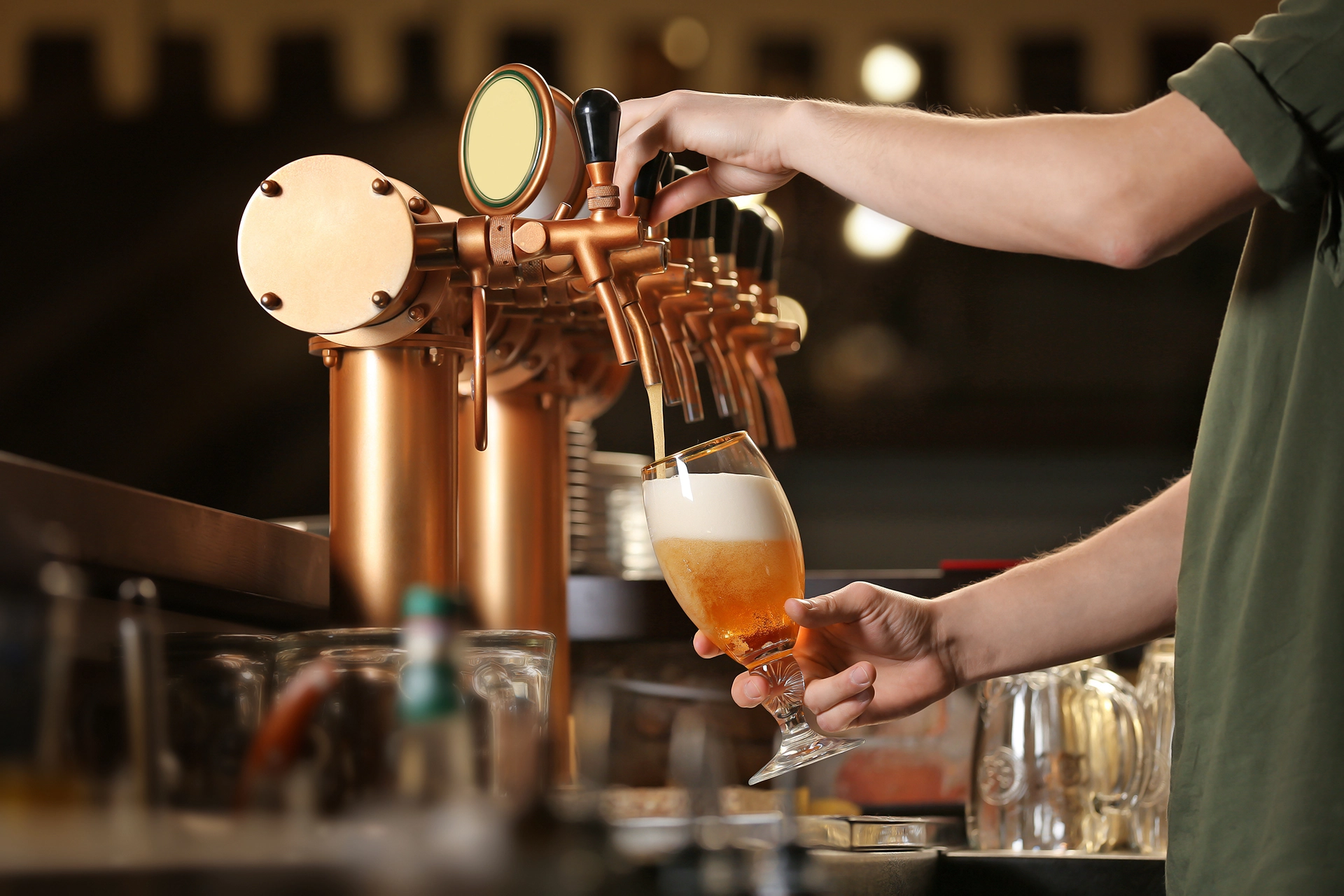
The ritual is familiar: you tilt the glass to a 45-degree angle and slowly pour the beer until it’s about three-quarters full. The final quarter is poured with the glass upright—this is when a crown of foam should form, resembling the snowy peak of a mountain.
This thin layer of foam—known as beer head in English and colarinho in Brazil—is essential to keeping the beer from oxidizing immediately after being poured. But that’s not all. Foam, made up of carbon dioxide, proteins, fermentation residues, and hop acids, plays a vital role in how beer is experienced and enjoyed.
Beyond preserving the beer’s flavor, foam also helps release its aromas and maintain the ideal serving temperature. Bubble by bubble, it engages the senses most involved in tasting beer—sight, smell, and taste.
In many ways, foam can be seen as the gateway to the beer experience: every sip passes through this soft, sometimes creamy layer—like the golden or tan foam found on Stouts and Porters. And because foam is such a visual element of beer, it can also serve as an indicator of quality.
A beer that produces no foam—or too much of it—might be over- or under-carbonated, contaminated, or even past its prime. It can also suggest that the glass wasn’t properly cleaned. In any case, it’s a sign that the beer may not be in optimal condition for drinking.
Did you know that about 70% of the foam eventually returns to the glass in liquid form? So next time you’re served a beer with a generous (but not excessive) head, don’t worry—nothing is being wasted.
A Couple of Fingers of Foam — and Conversation
The ideal amount of foam on a beer depends on its style. As the saying goes, “different heads, different rules.” Some styles—like those from the English brewing tradition, or beers aged in barrels—naturally produce less foam, which also tends to dissipate quickly. Stronger beers usually form less foam too, since the higher alcohol content increases the liquid’s surface tension, making it harder for foam to form and stay stable.
Other beers, such as Belgian ales, German weissbiers, or the world’s most popular style, pilsner, are known for their thick, creamy foam that lingers in the glass, often until the very last sip. Still, a foam layer about two to three centimeters thick—roughly two fingers—is generally considered ideal for serving a fresh, well-balanced beer.
A perfect beer head depends on a mix of factors: ingredients, alcohol content, brewing equipment, serving technique, and even the shape of the glass. When all these elements come together, the result is a beautiful, stable foam that serves its purpose well. If the foam isn’t right, it’s often a sign that something in the brewing or serving process wasn’t properly executed. In fact, during beer competitions or tastings, the foam’s appearance is one of the criteria used to judge quality. Judges evaluate its color, bubble size, formation, and how long it lasts in the glass.
Of all the drinks that form foam, beer is the only one that retains it. When carbon dioxide tension is weak—as with soft drinks—the foam collapses quickly. In beer, two key elements help keep it stable: proteins and hop acids.
These hydrophobic compounds tend to move from the liquid toward the foam, strengthening its structure and helping the bubbles last longer. High-quality foam often clings to the inside of the glass as you drink—a phenomenon known as Belgian lace or Belgian lacing.
Despite all its benefits, foam can still be divisive among drinkers—some complain about getting a “foam mustache.” Ultimately, it’s a matter of culture. In countries like Germany, a thick layer of foam is a symbol of quality, and few would accept a beer served without a proper head. In Portugal, more and more beer lovers are asking for their pints to be served as they should be—with foam included. And that’s reason enough to raise a glass to it.
5 Characteristics of Beer Foam
1. Enhances the tasting experience – Foam enriches the beer’s flavor profile and helps release the aromas trapped in the liquid.
2. Improves visual appeal – A creamy, fresh-looking head makes the beer instantly more inviting and appetizing.
3. Indicates quality – The appearance and texture of the foam can reveal whether the beer is well-crafted—or not.
4. Prevents oxidation – Foam acts as a natural barrier between the beer and the air, helping preserve its freshness.
5. Maintains temperature – It helps keep the beer at the right temperature by insulating the liquid from external air.