
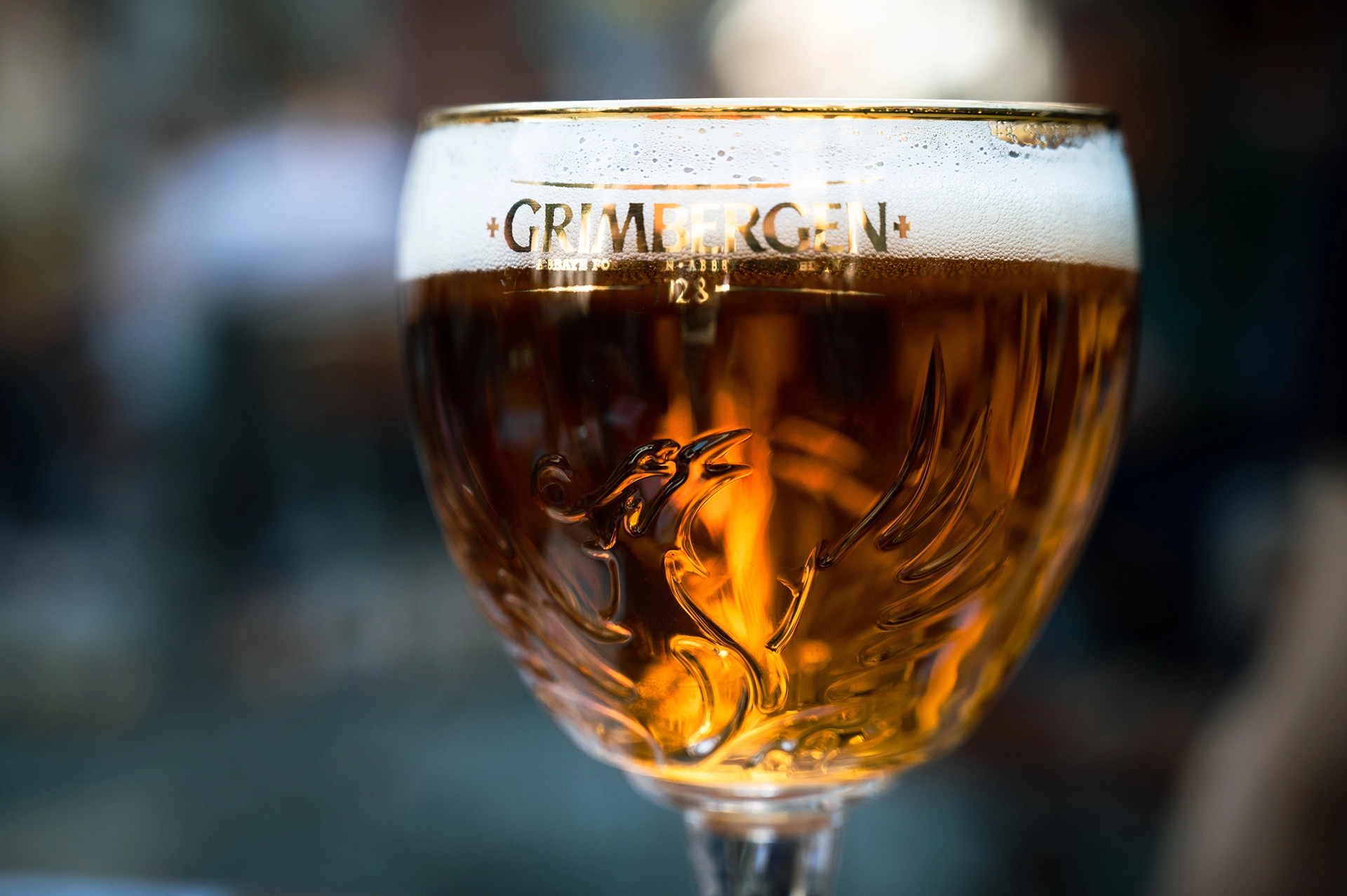
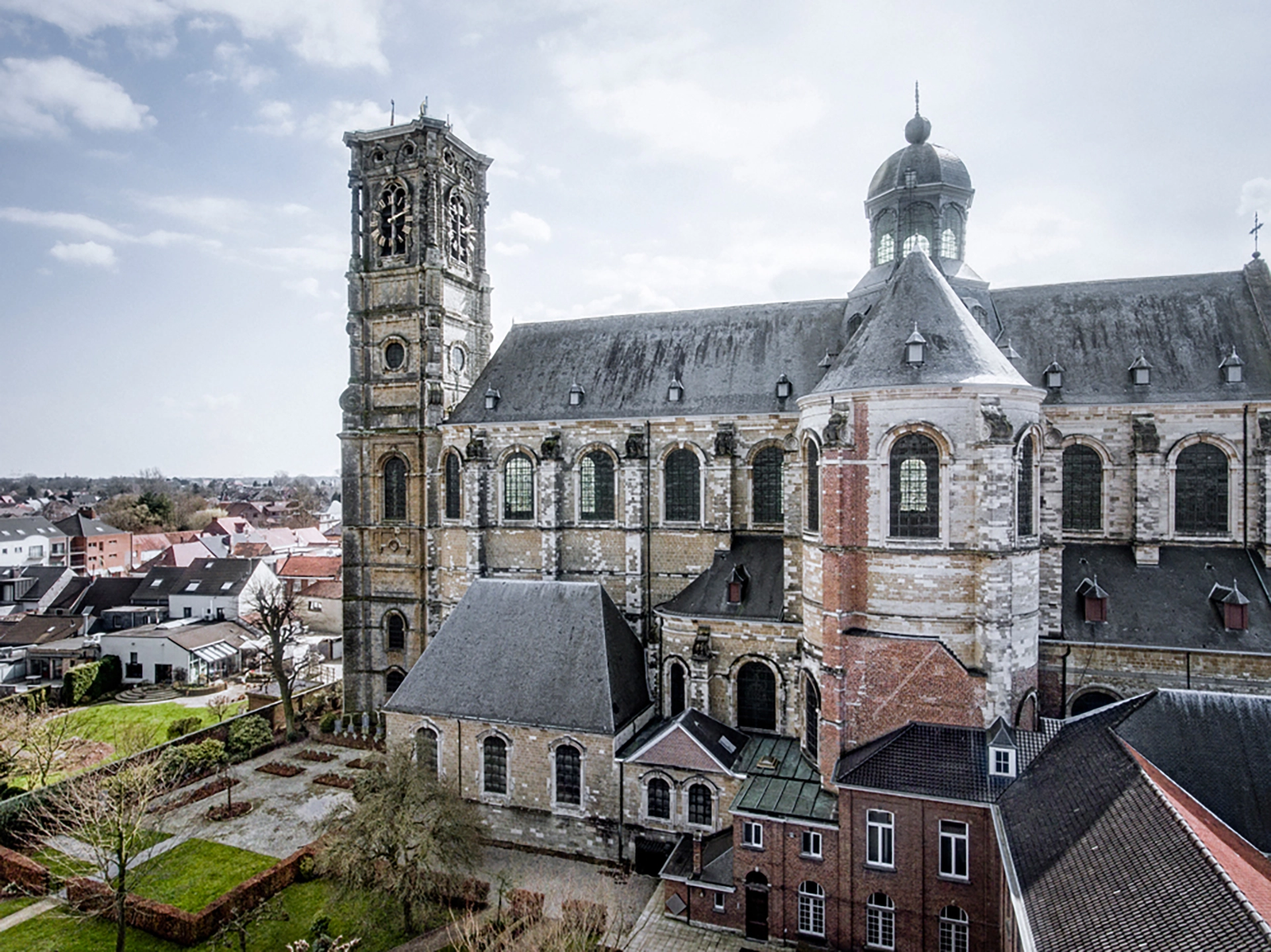
It’s no coincidence that the Belgian beer Grimbergen is associated with the image of a phoenix, that mythical bird resembling an eagle that always rises from its ashes. With nearly 900 years of history, Grimbergen Abbey in Belgium—where the beer of the same name was created—also rose again and again from various conflicts (in 1142, 1566, and 1798). Whenever the abbey was destroyed, piece by piece, the abbots rebuilt both their home and the place where they brewed the small, intense, fruity beer that eventually became a phenomenon without borders.
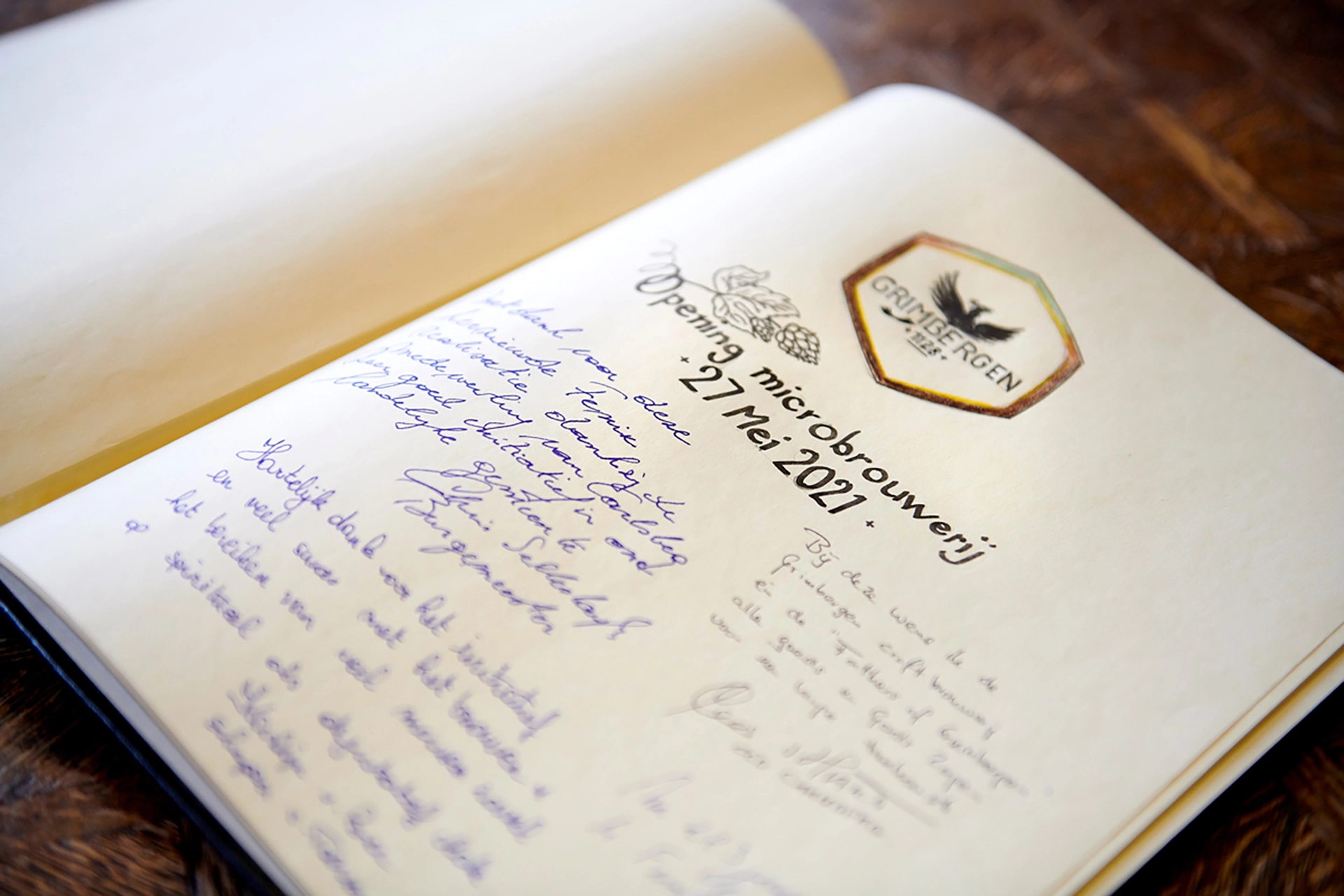
Even more remarkable is that, in the 21st century, Grimbergen rose again. After its production and distribution had passed to a multinational brewery in the 1950s, in 2021 the beer returned to its original location—and its original recipes. Grimbergen had not been brewed at the abbey for over 200 years. Moreover, for more than a century, it was believed that the books (some from the 12th century) containing various Grimbergen recipes had been lost during the French invasions at the end of the 18th century. However, someone—probably an abbot—managed to preserve over 300 copies in a hidden spot in the abbey. These manuscripts were recently rediscovered, and after years of deciphering texts in Latin and Old Dutch, the master brewers were able to bring the Grimbergen editions closest to the original back to the world, combining them with modern techniques and brewing them in the renewed abbey microbrewery.
Buy Now Super Bock Selection 1927 California Common
Beer: a sign of hospitality
In the Middle Ages, despite widespread poverty, there were several types of beer, and its production was part of a refined process of monastic research. In an effort to perfect aromas and flavors, the abbots prioritized innovation, altering recipes every ten years, according to Karel Stautemas, sub-prior at Grimbergen and one of the abbey’s current brewers.
You would hardly enjoy a beer from Joan of Arc’s time. The flavors were poorly defined and controlled, resembling something like “liquid bread.” Yet, beer held a central role in a society dominated by scarcity. At Grimbergen Abbey, among the beers produced, three stood out: the daily brew, a dark beer with little flavor; a beer similar to today’s Grimbergen Blanche; and a beer for beggars, the sick, and pilgrims seeking comfort at the abbey. The latter “was better beer than the others,”
Grimbergen Abbey was built in the 12th century with the central mission of serving and supporting the community. From celebrating weddings and funerals to hosting passing pilgrims, its role was always social. Here, beer played a major part for centuries. When you think of Grimbergen Abbey, picture this: an abbot at every door, greeting passersby with bread in one hand and beer in the other. After all, Grimbergen has always comforted even the most lost spirits.
Did you know…?
In the Middle Ages, beer production grew, with particular emphasis on Belgian abbeys. Unlike in cities, the master brewers in abbeys were exempt from taxes on herbs, grains, and hops. At the same time, beer was an essential foodstuff. With much of the water unsafe to drink and most other foods offering limited nutritional value, beer served as a “two-in-one” source of both hydration and nourishment.
So, no matter how centuries pass and the world changes, there are pillars that show humanity shares a common foundation. Only classics like Grimbergen can achieve this. And, with the occasional note of innovation beyond its balanced bitterness and persistent foam, it reminds us that there is always room to invent, without losing one’s identity.