
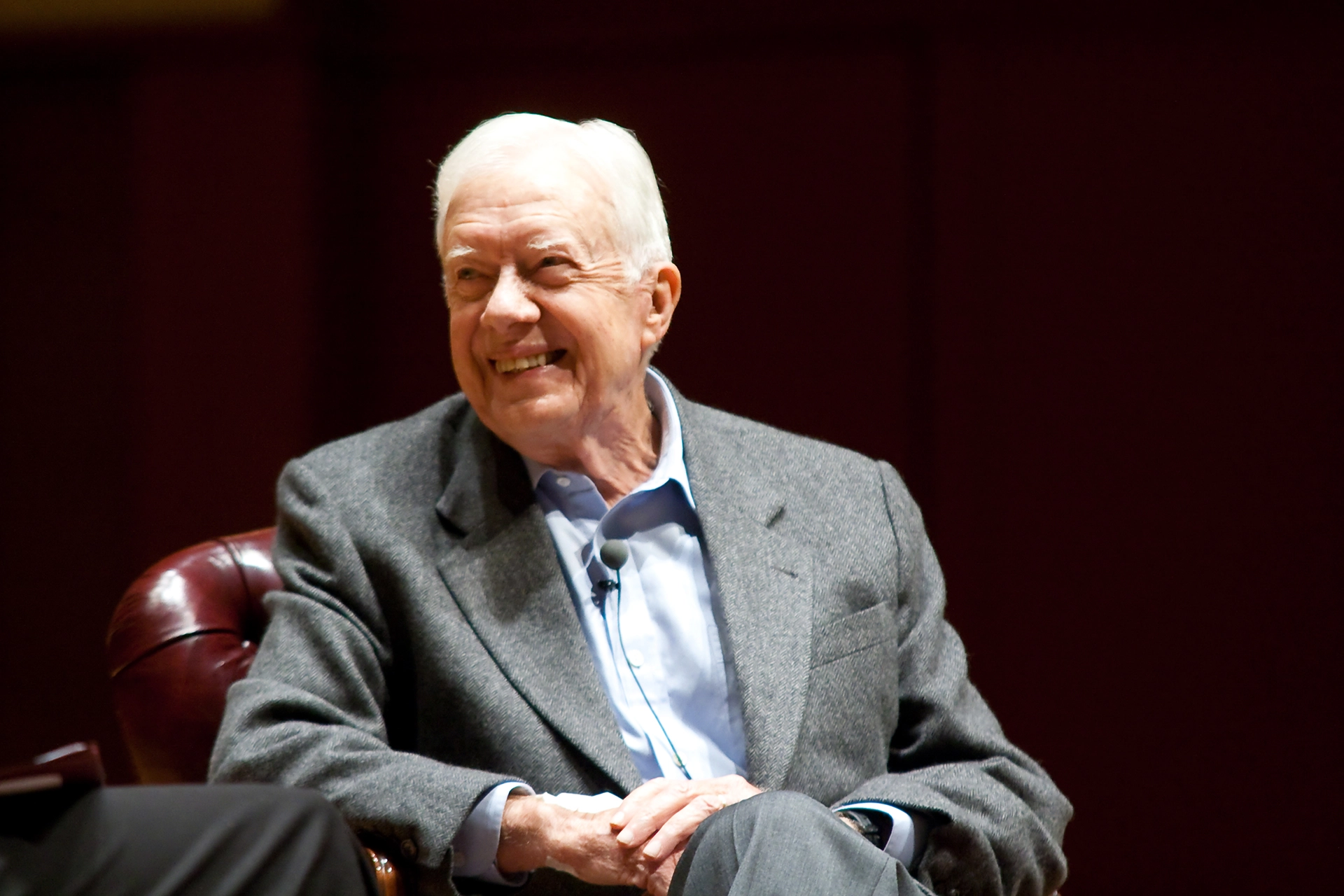
James Earl Carter Jr., better known as Jimmy Carter, may not be among the most famous presidents in U.S. history — not even in the top ten — but he holds a special place in the hearts of American brewers, from home enthusiasts to professionals, and all true beer lovers.
In 1978, Carter signed bill H.R. 1337, a piece of legislation that legalized homebrewing. In doing so, he effectively repealed a law dating back to Prohibition, half a century earlier — a move that sparked the rise of home and craft brewing, and with it, innovation across the entire beer industry.
Although homebrewing had never completely disappeared, Carter’s law brought it out of the shadows. The taxes vanished, along with the stigma of brewing beer at home. The result? A surge in production and the blossoming of small, independent, family-run beer businesses.
By 1988, just ten years after the law took effect, there were already 200 independent breweries in the U.S. By 2003, that number had grown to over 1,500, and by 2019, it had surpassed 7,000. This explosion not only expanded the range of beer styles available to consumers but also breathed new life into the industry — even the biggest brands had to adapt.
A TOAST TO INNOVATION AND OPEN-MINDEDNESS
An avowed abstainer, Jimmy Carter didn’t let his personal choices interfere when the opportunity to revolutionize American beer culture arose. By signing H.R. 1337, he turned one of the most important pages in the history of the beer industry — in the U.S. and around the world.
How It All Began
For more than 50 years, Americans were not allowed to brew beer at home. Although Prohibition officially ended in 1933, strict federal controls remained. Heavy regulation squeezed small producers out of the market, and homebrewing stayed illegal — or barely tolerated. Lawmakers feared that homebrewers might secretly produce moonshine, the strong (and often dangerous) homemade liquor that had gained notoriety during Prohibition.
By the 1970s, however, a new generation of consumers and microbrewers began rediscovering traditional brewing styles and techniques. The movement gained momentum in California, where a group of informal homebrewers organized to persuade Alan Cranston, a popular Democratic senator, to support legalizing homebrewing.
Cranston, who at the time was even more popular in California than Carter himself, convinced the president to include the legalization of homebrewing within a broader transportation bill — H.R. 1337.
Year Zero of American Beer Culture
The new law was clear: any citizen aged 18 or older could brew beer at home for personal or family use — tax-free. The permitted quantities were generous: up to 100 gallons (378.5 liters) per year for households with one adult, and 200 gallons (757 liters) for those with two adults.
With a single signature, Jimmy Carter opened the door to a beer revolution and became — for many — a hero of modern American beer culture.
In 1979, the year the law took effect, Charlie Papazian founded Zymurgy magazine, which remains a cornerstone of the brewing community, and the American Homebrewers Association (AHA), an organization that still unites thousands of homebrewers, suppliers, distributors, retailers, and craft brewers.
Over time, many homebrewers went professional, creating family-run craft breweries. Today, more than 95% of U.S. craft brewers started out as homebrewers. Beyond creating jobs and generating tax revenue, the homebrewing movement reshaped the entire beer market.
This is the true legacy of Jimmy Carter’s role in American beer — proof that sometimes all it takes is one person and one signature to transform, and even revive, an entire industry.
Although Carter lost his re-election bid to Ronald Reagan in 1980, he would later win back the admiration of the American people.
Two decades after leaving the White House, in 2002, his humanitarian work in conflict resolution, economic development, and peacebuilding earned him the Nobel Peace Prize.
And if beer culture is all about relaxation, openness, and bringing people together, perhaps Jimmy Carter’s contribution to world peace really began 25 years before he ever received that prestigious award.