The history of German beer is intertwined with that of the country itself, and its characteristics make it unique. The Germans didn’t invent beer, but they take pride in having brought it close to perfection. The “culprit” is a law from 1516, created to preserve its purity. Known as the Reinheitsgebot, it only allowed the use of barley malt, water, and hops. Yeast would be added later, as it hadn’t yet been discovered at the time. But let’s not get ahead of ourselves, because Germany’s brewing tradition goes back much further—and continues to this day. Proof of that lies in data from Germany’s tourism office, which reports that the country is home to more than five thousand different beers and 1,300 breweries, over half of them in Bavaria.
Power Struggles
By the end of the Roman Empire, Germanic tribes were already brewing beer at home—a task that traditionally fell to women. But at the beginning of the Middle Ages, everything changed. Feudal lords wanted control not only over the land but also over the production of German beer. Emperor Charlemagne decreed that every state should have a brewery, but as the Church’s influence grew, monks became the main producers.
There were around 500 monasteries brewing beer, 300 of which were in Bavaria, in the south of the country. However, the feudal lords were not pleased about being outdone and began opening their own breweries. While the Church and the nobility fought for power, the rising merchant class learned and mastered the art of brewing—just as they had done in other trades.
The Purity Law
Fast-forward to the 16th century and the famous year of 1516. It was then that Duke Wilhelm IV of Bavaria introduced the Beer Purity Law, regulating production in the region. The law allowed only three ingredients: water, barley malt, and hops. Yeast had not yet been discovered but was later added to the purist recipe.
Until then, beer quality had been highly inconsistent. Some brewers added tree bark, roots, or even potentially hallucinogenic mushrooms. Beyond hygiene concerns, some say the law also had economic motives—ensuring that wheat was reserved exclusively for bread. Whatever the reason, German beer greatly improved in quality.
It would take until 1871—the year of German unification—for the law to extend to the entire country. Over time, it underwent some adjustments, with different rules for Germany’s two main beer types: lager (originating in Bavaria) and ale (from other German regions).
The 20th Century
After the end of World War I, the law was revised again and remained in force until the 1980s, when Germany began following the standards of what was then the European Economic Community. Even so, many breweries never abandoned traditional brewing methods, giving German beer its distinct character.
It was also during this period that the definition of “beer” was broadened—until then, foreign beers were not even considered beer under German law. For 500 years, the Reinheitsgebot protected Bavarian and German breweries but also restrained creativity. From then on, some brewers chose to innovate, while others remained faithful to the purist recipe.
German Beer Styles
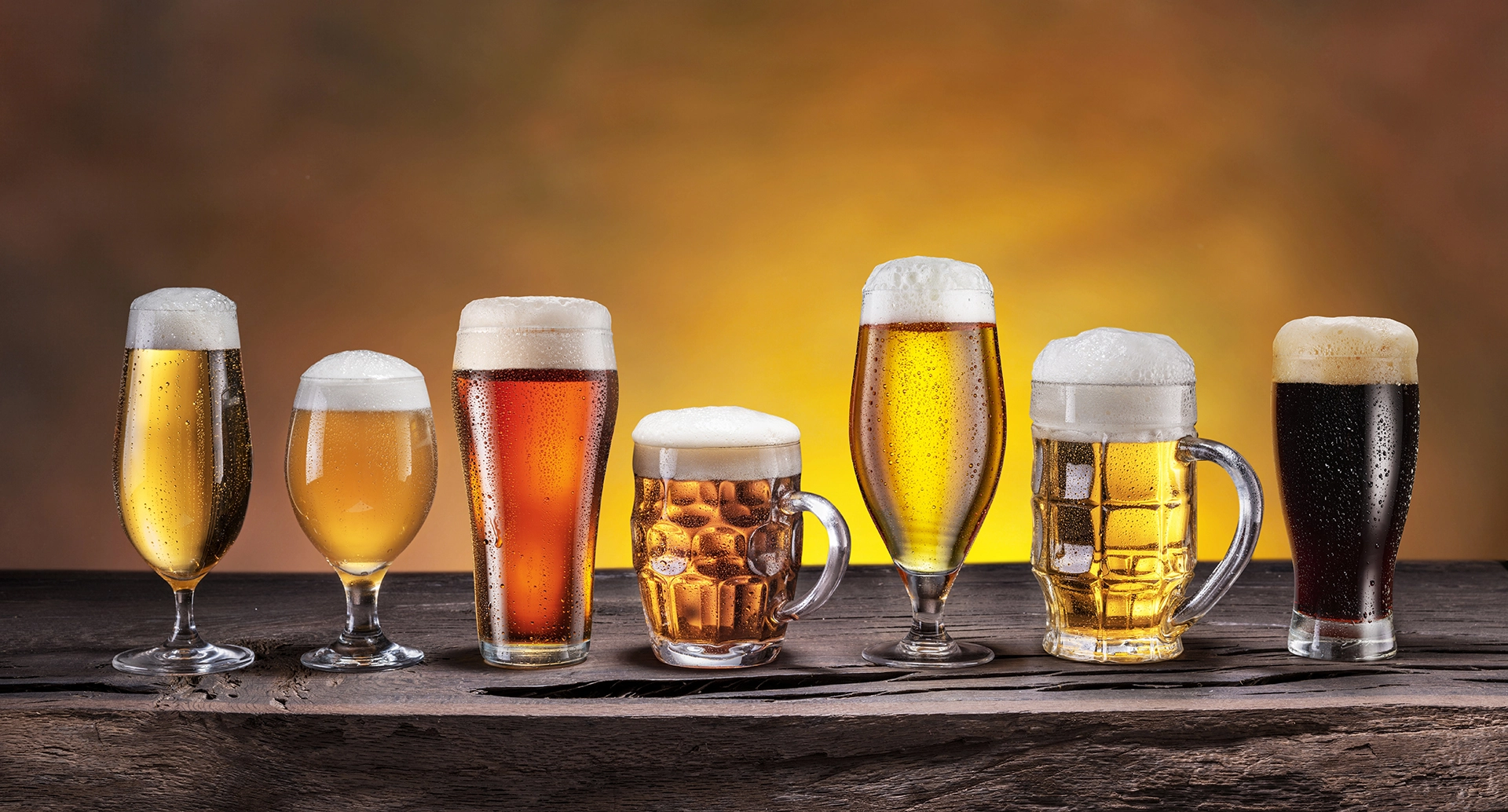
The brewing styles that tell the story of German beer
Lagers are now the most famous German beers.
But that wasn’t always the case. For a long time, ales enjoyed greater popularity. That changed with the discovery of yeast and, later, the introduction of refrigeration systems. Better preservation significantly improved lagers, and their production spread across the country. With the exception of the Rhine Valley and regions brewing wheat beer, lagers ultimately conquered Germany.
Altbier: The name means “old beer,” as it’s said to be the oldest of all German beers. It stands out for its copper color, creamy head, medium body, and dry finish. It originates from the Düsseldorf and Rhine regions.
Berliner Weisse: As the name suggests, it’s brewed in Berlin and made with about 30% wheat. It has a slightly tart flavor, low alcohol content, and a touch of effervescence.
Doppelbock: Rich and malty with very little bitterness, this style emerged in the 17th century as a lager version of the ales brewed in monasteries. Its alcohol content typically ranges between 7% and 13%.
Dunkel: The first beer to fall under the Purity Law, making it the predecessor of most German lagers. It has a slight bitterness, plenty of malt, and subtle notes of vanilla or nuts. Its alcohol content ranges from about 4.5% to 5.6%.
Helles: Originating in Munich in the 19th century to compete with Bohemian pilsners, its name comes from the German word hell, meaning “bright.” Its alcohol content is around 5%.
Märzen: The name means “March,” as it was traditionally brewed during that month. It contains more hops than typical Bavarian lagers and was designed to last longer. It was introduced to the world at Munich’s Oktoberfest in 1872.
Kölsch: Originating from the city of Cologne, only beers brewed in this city are called Kölsch, carrying the protected designation of origin seal. Pale in color, it has low malt content and mild bitterness.
Rauchbier: Means smoked beer, as the malt used acquires this characteristic during the drying process. It comes from the Bamberg region. Alcohol content ranges from 4.8% to 6%.
Weissbier: Made from wheat, it is known as white beer. It has flavors and aromas of banana and clove and is generally unfiltered.
DISCOVER WHERE BEER LIVES.
COME VISIT THE SUPER BOCK BEER HOUSE
Book a Visit