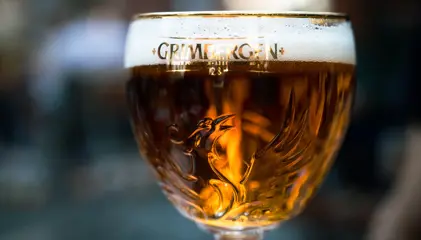
Germany is the heart of wheat beer, and the tradition goes back a long way. The first evidence of wheat beer in Europe was found in an amphora located in a Celtic cemetery near Kulmbach, in Bavaria. The date? 800 B.C. It was also in this German state that wheat beers, or Weissbier, flourished.
First, under the influence of monarchs: Duke Maximilian I created the first brewery specializing in wheat beers in Munich in the 16th century. At that time, all breweries were owned by the crown, a situation that persisted until the early 19th century, marking the beginning of the style’s decline.
Then came George Schneider, an entrepreneur who took advantage of the end of the royal monopoly to buy an old brewery and relaunch the Weiss ales. From 1872 to the present day, the popularity of these wheat beers has experienced ups and downs.
Today, however, this style—whose main characteristic is having at least 50% wheat malt—enjoys a unique status in the German beer scene. Explore the genealogical tree of wheat beers, discover what unites and separates them, and the flavors and aromas that will catch your attention.
Hefeweizen
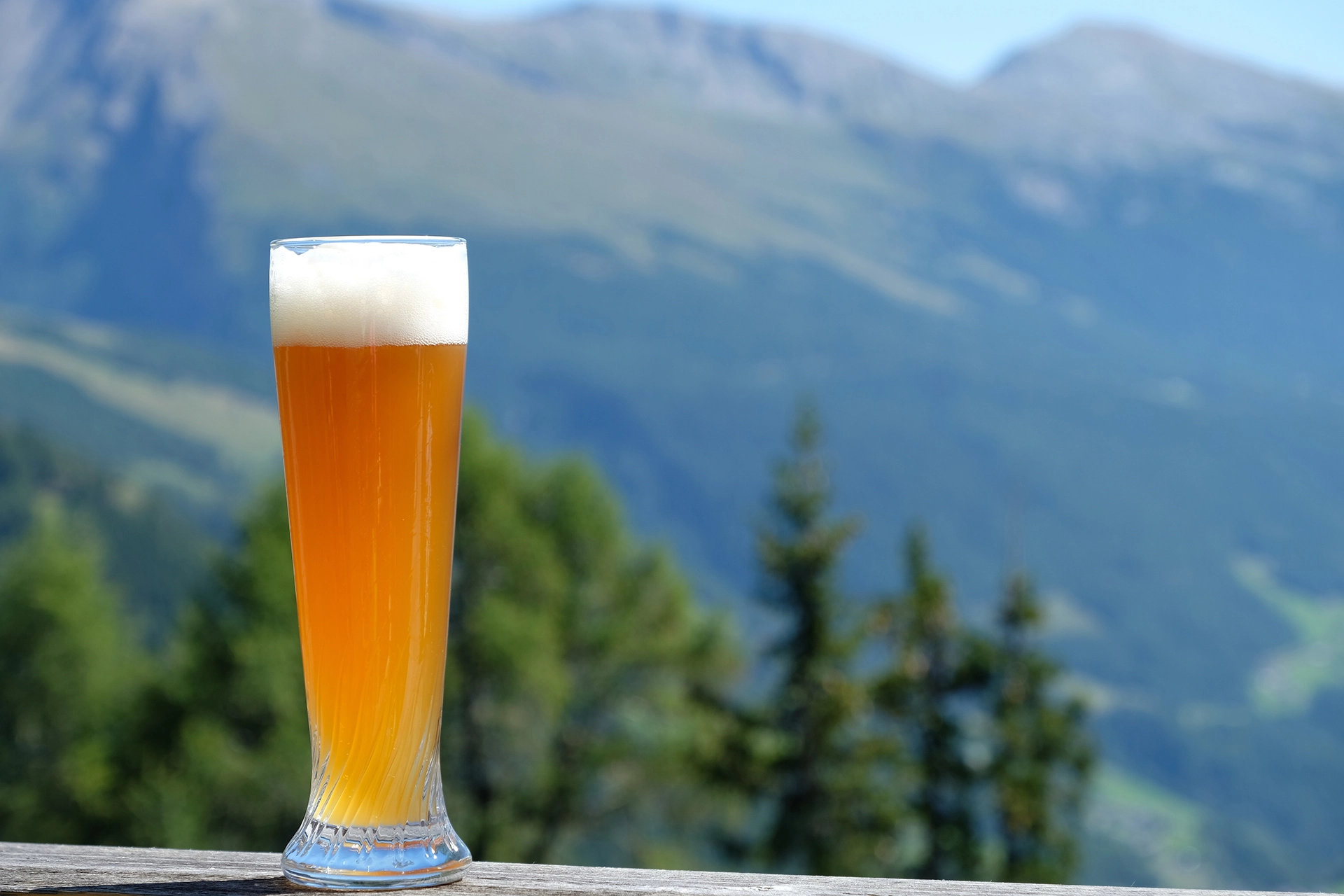
The matriarch of the family. Also known as Weizenbier or Weissbier, this is the oldest and most popular wheat beer, especially in southern Germany. It is an unfiltered, cloudy beer with low bitterness and an alcohol content between 4% and 6%.
When served in a glass, it shows a thick, long-lasting foam and moderate aromas of banana and clove. Also noteworthy are the light wheat aroma, slightly sweet taste (due to the near absence of hops), and dry finish.
Kristallweizen
The twin sister (false twin). If Hefeweizen started the Weissbier lineage, Kristallweizen is its sister, given its resemblance to the former. The main difference is filtration: Hefe is unfiltered (Hefe means yeast in German), while Kristallweizen’s defining feature is its filtration, giving it a crystalline appearance and light color.
With an alcohol content between 4% and 6%, it is an effervescent beer, served in a tall, narrow glass. Lighter than Hefe, Kristallweizen has banana aromas and fruity, spicy flavors. It is undoubtedly an excellent beer to enjoy on a hot day.
Weizenbock
The half-sister. Daughter of the traditional German Bock, a lager, and Weissbier, Weizenbock is a complex, full-bodied, intense wheat beer with a high alcohol content: between 6% and 12%. Fruity and malty, with two versions—light and dark, both cloudy—Weizenbock has low bitterness and high carbonation.
The foam ranges from white to light beige, being thick, creamy, and long-lasting. The flavor is of malty bread, biscuit, wheat, and grains. Light versions have milder notes of toasted bread and sweet grains; dark versions stand out for their deep malty flavors, rich in toasted bread.
Dunkelweizen
The sophisticated daughter. A dark version of wheat beer that is hard to ignore despite its cloudy appearance. Strong, pleasant, and full-bodied, Dunkelweizen pairs well with meals, so much so that it has a dedicated following among traditional wine enthusiasts.
With notes of caramel, chestnut, and chocolate and low bitterness, perfectly balanced between malt and hops, Dunkelweizen is full-bodied with an alcohol content ranging from 5% to 7%. It is highly carbonated, with the malt flavor present in every sip.
White IPA
The well-traveled daughter. As the name might suggest, for the attentive, White IPA is a wheat beer (White and Weiss mean “white” in English and German, respectively), essentially a wheat IPA. It is a pale, naturally cloudy beer, like all those using this cereal, featuring citrus and floral aromas and a more pronounced bitter finish.
The body is light, and the foam persistent. It combines the flavors and aromas of traditional wheat beers with the hops used in the dry hopping process—the addition of hops during maturation at cold temperatures.

Berliner Weisse
The capital’s sister-in-law. A regional version of Weissbier, Berliner Weisse is a sour beer that, legend has it, became famous for charming Napoleon, who dubbed it the “Champagne of the North.” It is a pale, light, refreshing beer, carbonated and acidic.
Unlike other styles with mild acidity, such as Belgian Lambics, the lactic acidity of Berliner Weisse comes from the bacteria on the malt husk when incorporated into the brewing wort. Slightly cloudy, Berliner Weisse can also appear bright and in different colors, as some breweries have recently started adding fruit to the beer. The body and bitterness are low, and wheat characteristics sometimes appear through a light bread aroma.
Witbier (or Blanche)
The Belgian cousin. Sharing a common ancestor, borders dictated the future, and present, of Witbier and Weiss. Originating in Belgium, Witbier is brewed with 30% to 50% unmalted wheat, contrasting with the 50% malted wheat in Weissbier.
It is still an unfiltered beer, giving it a cloudy color due to suspended yeast particles and wheat protein. Witbier, known as Blanche in France, ranges from straw yellow to light golden, sometimes appearing whitish and milky. This substyle often features citrus and coriander aromas, as coriander seeds and orange peel are added during production.
The foam is dense and rich, with a refreshing, fruity aroma. The flavor is pleasantly malty, with a citrusy orange character and mild lactic acidity. Hop bitterness is low to medium-low, and the residual taste is herbal, lightly acidic, and dry.
American Wheat Beer
The American second cousin. A style with significant popularity in the craft beer scene, American Wheat Beer is essentially the adaptation of Weissbier by North American brewers. It is a versatile, light beer that allows for a wide variety of ingredients.
Like Hefeweizen, it is unfiltered, so its appearance can range from bright to cloudy. Without access to Bavarian Ale yeast, American brewers had to use the yeasts available to them. As a result, it lacks the banana and clove aroma of Hefeweizen and the fruity, spicy character of Witbier. Often hoppier, American Wheat Beer may also include ingredients like raspberry, watermelon, and pepper.
WheatWine
The American third cousin. An evolution of American Wheat Beer, WheatWine stands out for its alcohol content and toasted notes of bread and nuts, well integrated with hoppy aromas, often with a liqueur-like character.
It is a rich-textured, elegantly-bodied beer that can continue aging in wooden barrels. This American craft beer style is relatively recent, first produced in 1988. Today, it is commonly used as a seasonal winter beer or in special editions driven by American innovation.
For centuries, each beer style lived in its monastery, villages, and cities, developing over the years. Wheat beers occupied the geographic space of present-day Germany, evolving with the talent of brewers from Munich and Berlin.
In Belgium, they were integrated into the local beer culture, and more recently, in the United States, they benefited from constant innovation in the craft scene. But their story has only just begun. What does the future hold for wheat beers?