The chance to create a drink with flavors tailored to your preferences and attention to the details you enjoy most is one of the main motivations for trying homebrewing. But one question arises immediately: is it easy to produce this beverage in the comfort of your own home?
On one hand, brewing beer has never been easier than it is now. Easy access to information, ingredients, and all kinds of equipment for various budgets allows you to brew comfortably at home. On the other hand, the process involves many details, from calculating quantities and temperatures to following specific steps, meaning that any distraction can ruin the batch. The line between success and failure can be very thin.
Recommended Materials
The first step to start brewing beer is to gather the necessary materials to make it easier to control all the conditions. The most important items for any of the three methods we present are:
Thermometer: to monitor the temperature of the wort during mashing and boiling, and also to know when to add the yeast.
Hydrometer: used to measure the density of the wort before fermentation and the beer after fermentation. The goal is to determine the amount of sugar before and after fermentation, which allows you to calculate the alcohol content of the beer.
Long spoon: used to stir the wort.
Sanitizer: to properly disinfect the equipment being used.
Digital scale: useful for necessary measurements.
Fermentation bucket: where the magic of fermentation will happen. It is essential that it can be sealed hermetically and has an opening on top to place the airlock. Preferably, it should have a tap or valve at the bottom to make bottling easier.
Airlock: when placed with a little water in the top of the fermenter, it allows CO2 to escape while preventing external elements from entering the fermenter and contaminating the beer.
1. Recipe kit
If you’re making beer for the first time and are looking for a more accessible method, using a product that involves the fewest possible steps might be the answer. In this case, it is possible to buy beer kits designed for beginners, which include pre-prepared wort in cans.
What do you need?
Beginner kit: includes can of compound product and yeast
Water
Fermentation bucket
Pot
Various options, including on sites like Amazon or Mr. Beer, promise to replicate at home some of the most iconic beer styles, such as IPA or Stout. To make the beer, you will need to mix the different elements in a pot and follow the instructions that come with the kit, which you can also easily find online.
At first, you should pour the contents of the can into a pot with water, gradually adding sugar and more water as needed according to the recipe or the behavior of the liquid. Equipment such as a thermometer and hydrometer will help you control the entire process before, during, and after fermentation. The liquid is then transferred to bottles, jugs, or kegs, and should rest in a cool environment for a few days. About two weeks later, you can finally taste your beer.
2. Stovetop Production
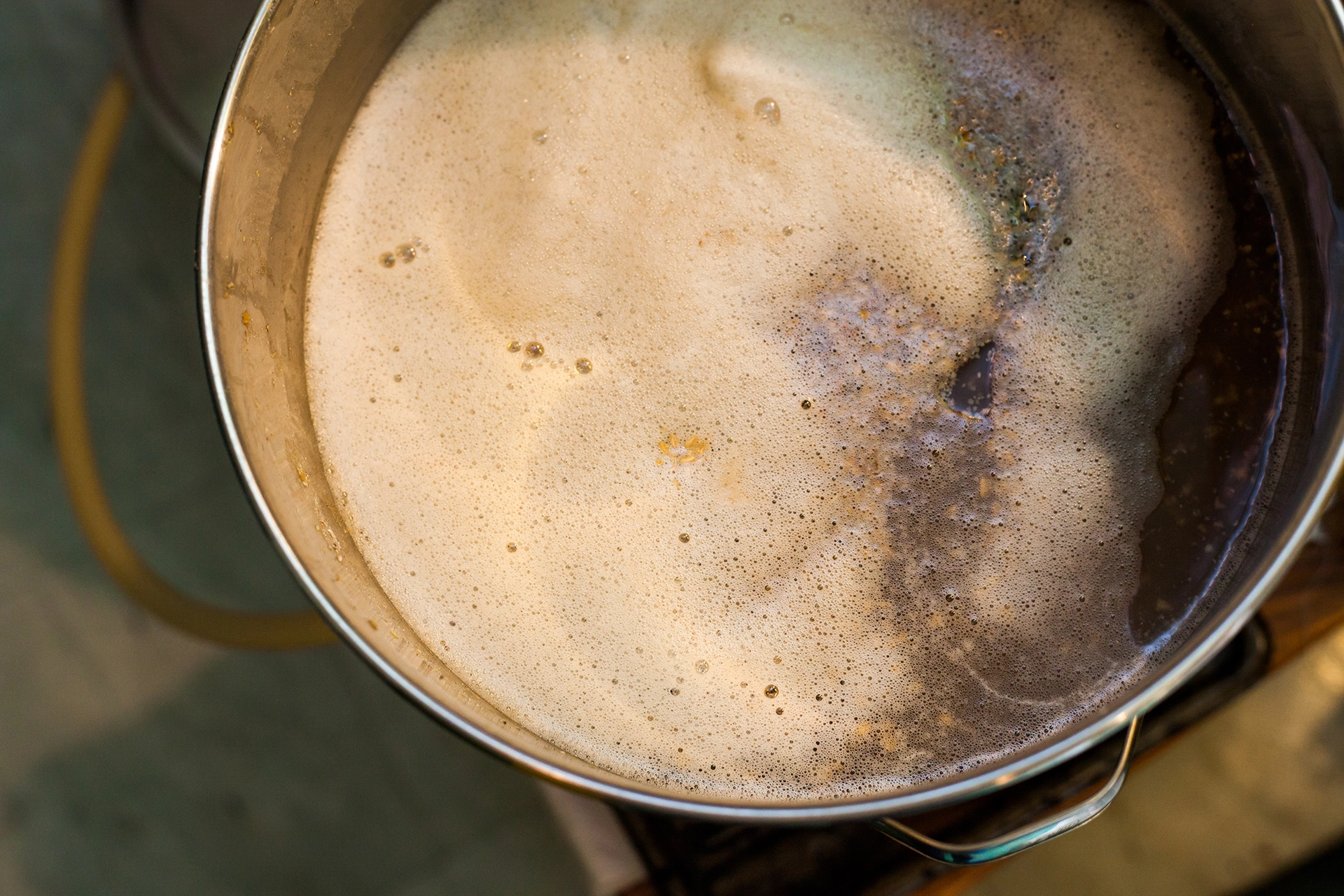
The traditional method for making beer at home involves a higher level of difficulty compared to the previous method. In this case, there is no can with prepared wort concentrate, so skill is required in handling the equipment and raw materials, as well as in the different stages of beer production.
What you need:
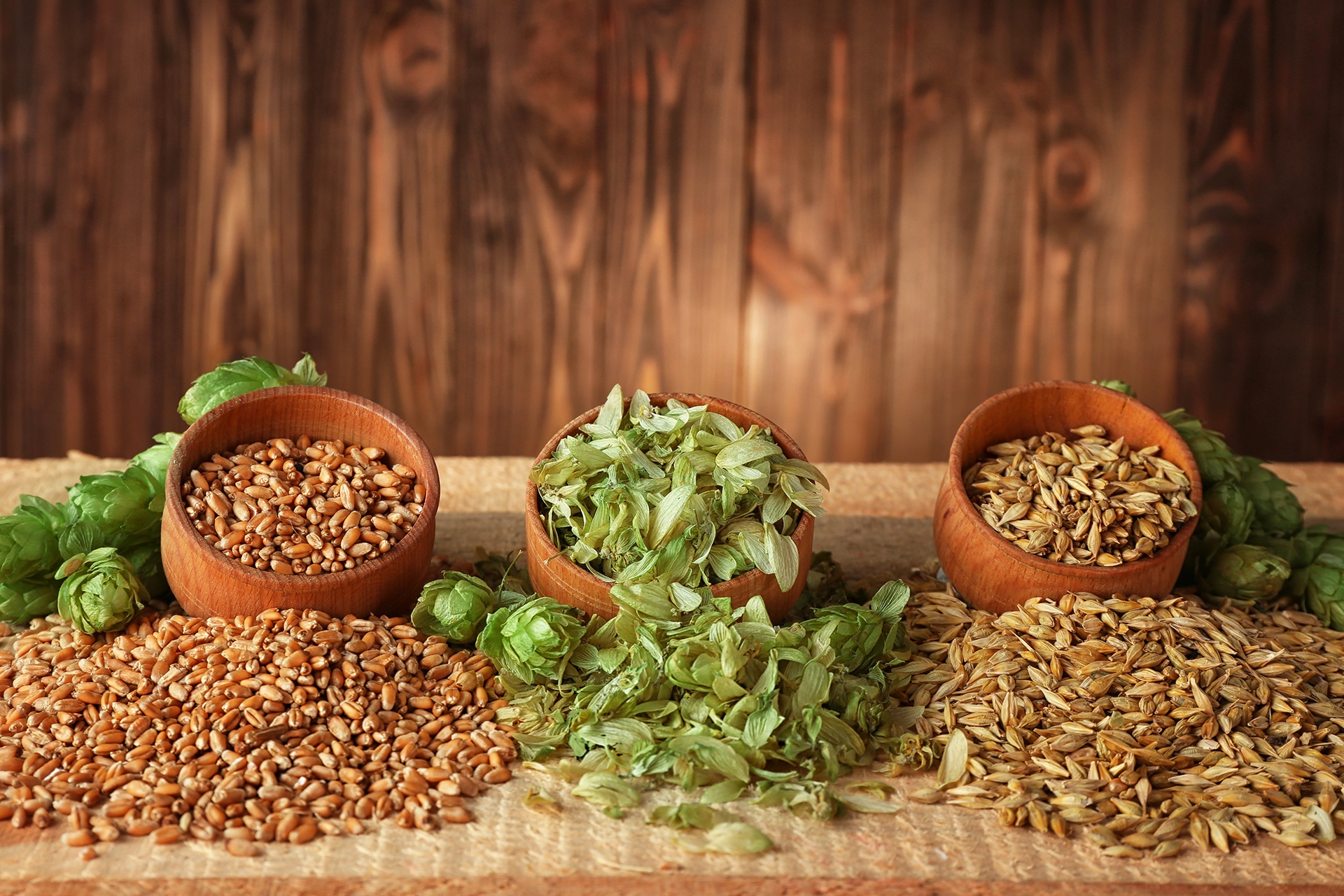
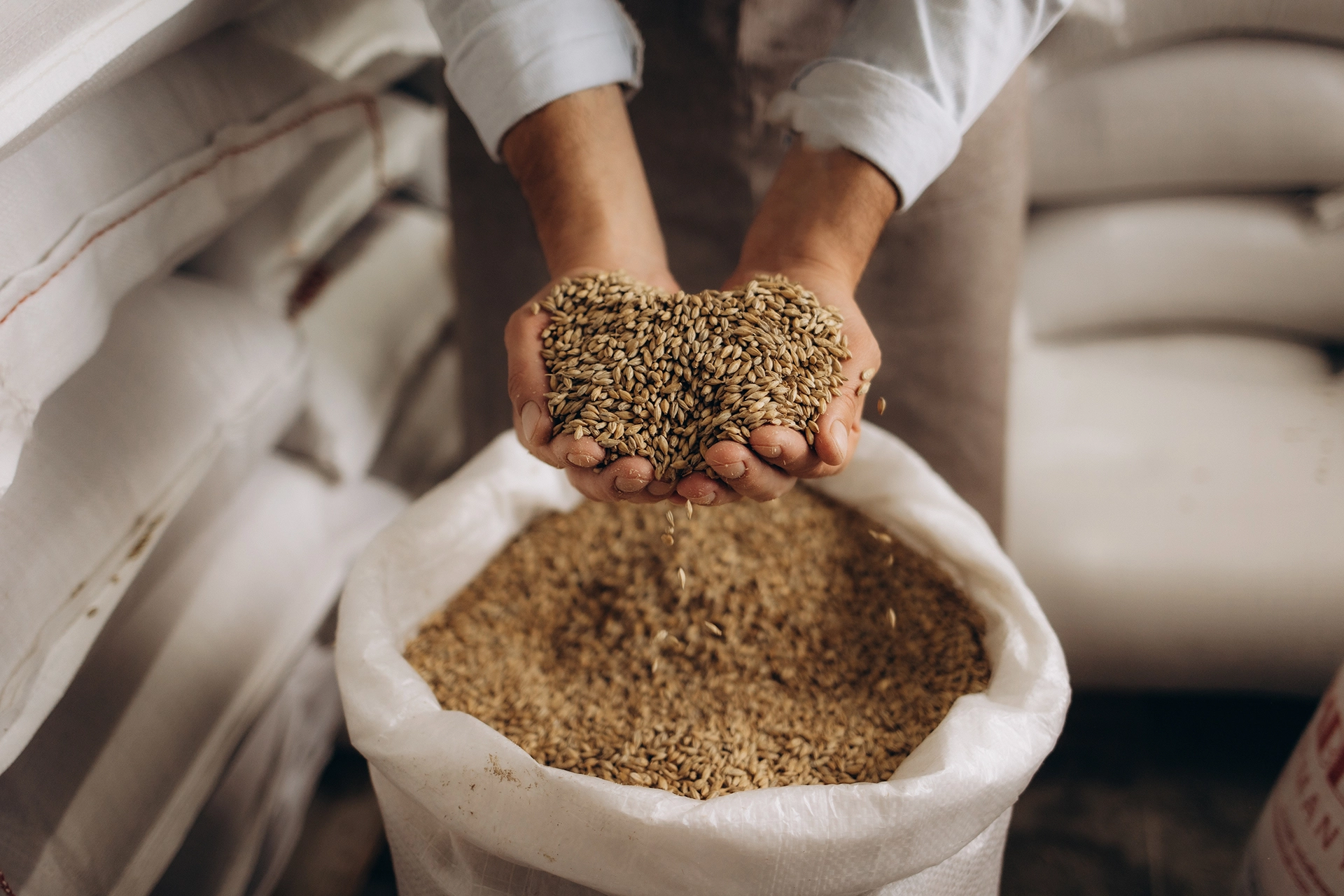
Malted grain, either whole or already crushed
Water
A pot
Hops
Yeast
Since there is no pre-prepared product, you will need to be more hands-on during the different stages of production. Without the help of the can, you must work with the malted grains—either pre-crushed or crushed by you—so that the starch and other components of the malt can dissolve in the water, forming the wort.
During mashing, when you mix the malt with water to create an infusion, there are several options: the crushed grains can be placed directly in the pot, which will require more laborious filtering; they can be placed in a small bag attached to the pot; or they can be in bags that occupy the entire diameter of the pot—the so-called BIAB (brew in a bag) technique, one of the most popular in recent years. Proper use of a thermometer at this stage is essential to ensure the correct temperature ranges that activate the enzymes. These enzymes break down the starch into smaller, fermentable sugars.
In the next stage, boiling, this is when you add the hops. It is very important to pay attention to the timing of this addition. Remember that the earlier you add the hops, the more bitterness will be imparted to the beer, and the later you add them, the more pronounced the aroma will be.
Before adding the yeast and starting fermentation, it is essential to lower the temperature of the wort. An additional piece of equipment that can help speed up this process is a cooling coil.
On average, this production process until the start of fermentation can take four to six hours. Fermentation usually lasts one to two weeks, and after this stage, the beer should be stored for about another two weeks in bottles or another container in a cool place before refrigerating. The next step is tasting.
3. All-in-One Machine Production
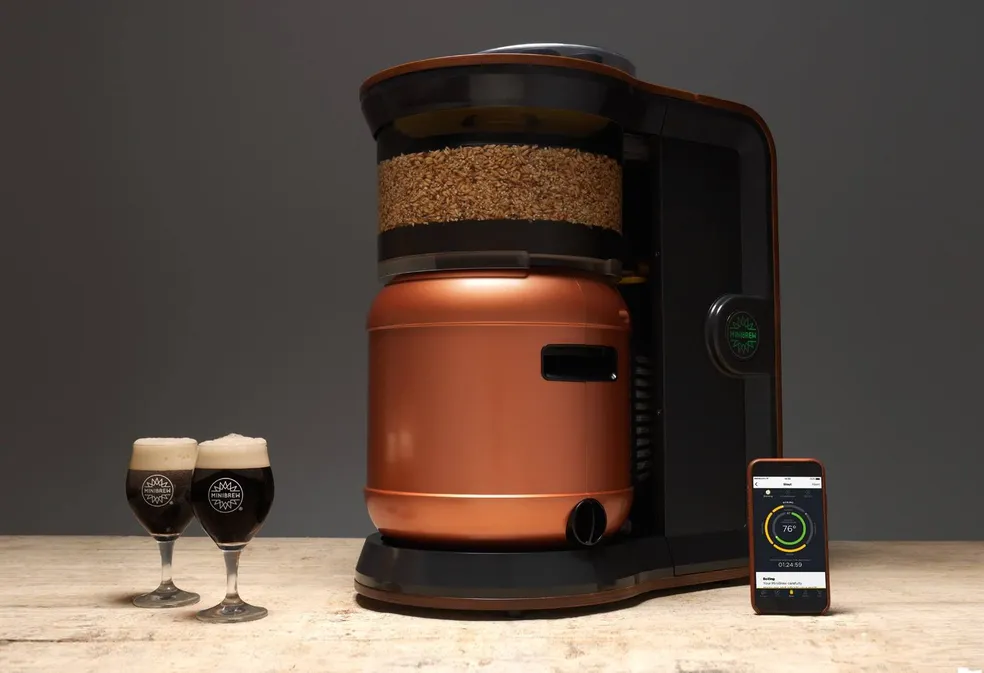
With a larger financial investment, you can make life easier with smart machines that brew beer more autonomously and with a highly controlled process. It is true that this option is not within everyone’s budget, but given the good results, it is becoming increasingly popular among beer enthusiasts.
These devices simplify the entire craft beer production process, offering control over temperature, fermentation, and beverage stability, often with compatible Android and iOS apps to interact with the equipment. Greater security also reduces recipe errors, contamination risks, and other general issues in the process.
There are machines for every preference, from simpler models—like capsule-based systems similar to coffee machines—to more complex equipment with greater customization options. In the latter case, as the brewing process advances, the machine alerts you on what to do next, from wort extraction to yeast inoculation, and the addition of hops.
In short, there are several methods available for beer lovers who want to learn how to brew. Whatever method you choose, remember to enjoy the experience to the fullest. The important thing is that your passion for beer continues to lead you to new knowledge and open new horizons.