Trappist and abbey beers hold a place in the brewing imagination much like convent sweets do in traditional pastry. Both were born in monasteries and convents during the Middle Ages, the result of years, decades, and centuries of experimentation and shared knowledge passed down through generations. There is something enigmatic, ancient, and almost secretive about these simple beers made from high-quality ingredients. In a way, they embody Schrödinger’s paradox—both alive and dead at once—meaning they exist both within and outside modern brewing trends. In other words, they are timeless beers.
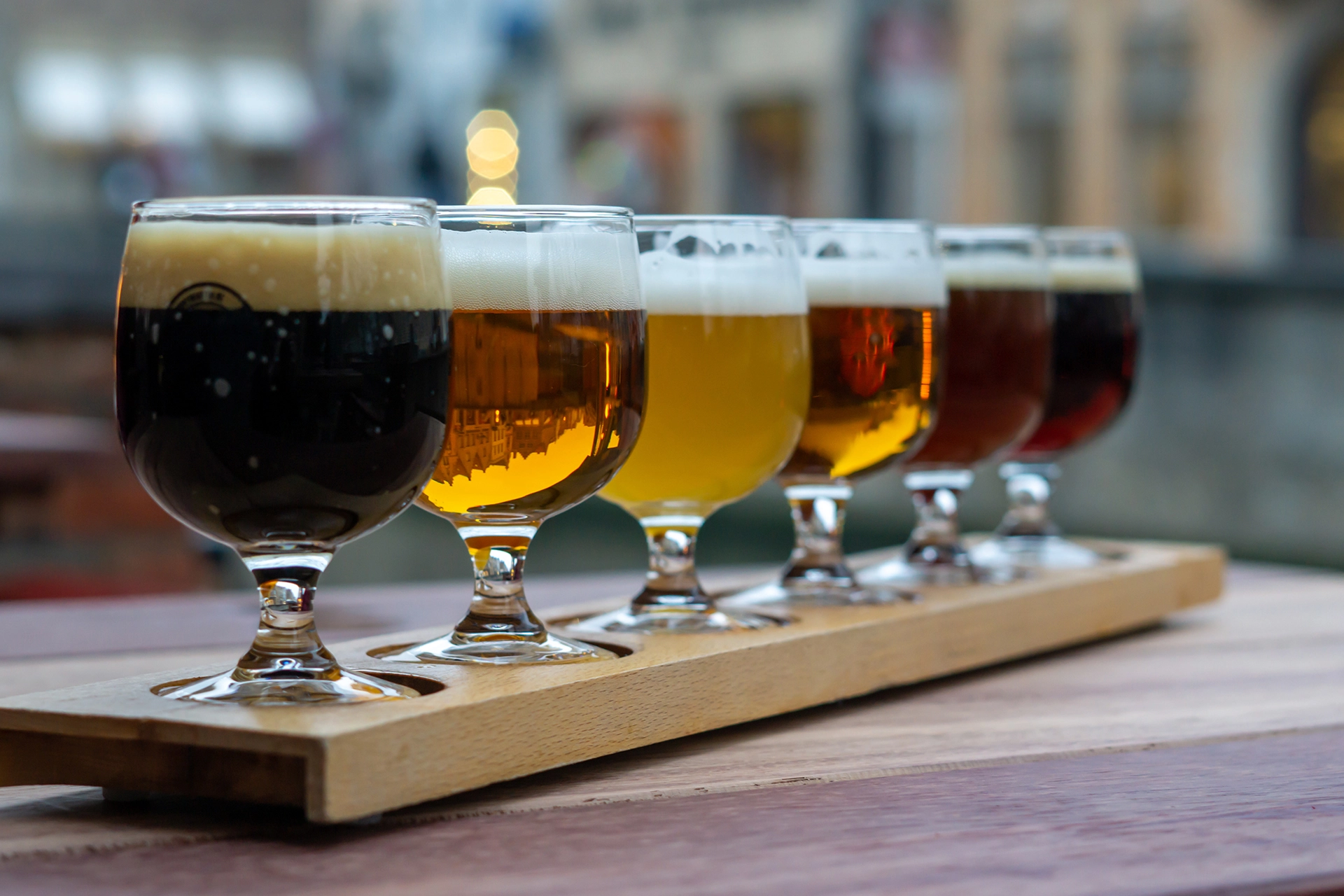
To make Trappist beers even more complex, there are substyles within them, each with distinct characteristics: Dubbel, Tripel, and Quad (short for Quadrupel). While these classifications can technically apply to any beer style, it is within Belgian Trappist brewing that they find their true meaning.
One, two, three… four Trappists?
Trappist beers reflect Belgium’s rich culinary culture. They often include local spices, such as sugar or caramelized sugar, and undergo a second fermentation in the bottle. With a high alcohol content, lively carbonation, and a distinctive yeast character, Trappist beers are brewed by monks and nuns, and to this day, they contribute to monastic tourism.
The queen of Portuguese abbeys
Super Bock Abadia is a beer inspired by Belgian abbey styles, whose centuries-old recipes influenced many of the styles available today. Strong and full-bodied, with an exceptional flavor and smooth notes of toasted dried fruits, Super Bock Abadia stands out for its deep amber hue and rich aromas. It has an alcohol content of 6.4% and a moderate to low bitterness.
Belgian Dubbel
Created by the monks of Westmalle Abbey, on the outskirts of Antwerp in northern Belgium, at the end of the 19th century, the Dubbel is a stronger version of the traditional Westmalle Trappist beer. The name itself suggests a “double” or “strengthened” version.
The Belgian Dubbel is a complex, malt-rich beer, marked by subtle spices and an alcohol content ranging from 6% to 7.6% ABV. Originally, the monks used caramelized beet sugar, but over time this was replaced by a sweeter type of sugar that imparts chocolate notes, fruity aromas, and a caramel finish. You shouldn’t expect hop-forward aromas or flavors here.
In the glass, the Dubbel shines with a deep amber to copper color. On the palate, it mirrors its aroma: malt-forward, with medium to medium-high sweetness, but finishing dry.
The queen of Portuguese abbeys
Super Bock Abadia is a beer inspired by Belgian abbey styles, whose centuries-old recipes influenced many of the styles available today. Strong and full-bodied, with an exceptional flavor and smooth notes of toasted dried fruits, Super Bock Abadia stands out for its deep amber hue and rich aromas. It has an alcohol content of 6.4% and a moderate to low bitterness.
Belgian Dubbel
Created by the monks of Westmalle Abbey, on the outskirts of Antwerp in northern Belgium, at the end of the 19th century, the Dubbel is a stronger version of the traditional Westmalle Trappist beer. The name itself suggests a “double” or “strengthened” version.
The Belgian Dubbel is a complex, malt-rich beer, marked by subtle spices and an alcohol content ranging from 6% to 7.6% ABV. Originally, the monks used caramelized beet sugar, but over time this was replaced by a sweeter type of sugar that imparts chocolate notes, fruity aromas, and a caramel finish. You shouldn’t expect hop-forward aromas or flavors here.
In the glass, the Dubbel shines with a deep amber to copper color. On the palate, it mirrors its aroma: malt-forward, with medium to medium-high sweetness, but finishing dry.
Belgian Tripel
This is another version of Trappist beer popularized by the Westmalle monastery. This time, however—and contrary to what you might think—the beer doesn’t triple the complexity or alcohol content of the traditional Trappist style. While the Dubbel is a dark beer, the Tripel is its golden counterpart, made without caramelized sugar and brewed with Pilsner malt.
So why the name “Tripel”? Simple. This beer is brewed with three times the amount of malt used in the standard Trappist recipe, though that ratio can vary from one brewer to another.
On the nose, it offers a complex aroma with spicy character and occasional floral hop notes. In the glass, the Tripel appears golden-yellow to deep gold, with excellent clarity. On the palate, it brings together spicy, fruity, and alcoholic flavors, with a subtle touch of honey. It’s a highly drinkable beer—pleasant and smooth—but with an ABV between 7.5% and 9.5%. In other words, it’s one to enjoy carefully.
Belgian Quad
It’s the strongest and heaviest of all the Trappist beers, considered a subcategory of the Belgian Strong Dark Ale, though the Quad tends to be more fruity and boozy. It’s a malt-rich beer with medium bitterness and an alcohol content that reaches double digits, usually between 10% and 13%.
In a Quad, or Quadruple, you’ll find notes of dark fruit, bread, molasses, spicy pepper, and a dry-to-medium-sweet finish, all balanced by its high alcohol content.
In the glass, the Quad shows a deep red color that can range to dark brown. Caramelized sugar and Munich malt are key to giving it its complexity, though no smoky aromas or flavors are present in its profile.
Did you know…
One of the rarest beers in the world is a Quad. It’s the Westvleteren 12, brewed by the monks of St. Sixtus Abbey in Vleteren, Belgium. This Quad is brewed once a week and sold only once a month—either at the gates of the monastery or in a small tavern just across the street.
What makes it so rare, besides its limited production, is the way it’s sold. Everything is done the old-fashioned way: you have to call a special phone number and schedule a pickup time. Even the most passionate beer enthusiast living outside Belgium—or outside Europe, for that matter—might think twice before spending a small fortune to taste this legendary Belgian Quad.