
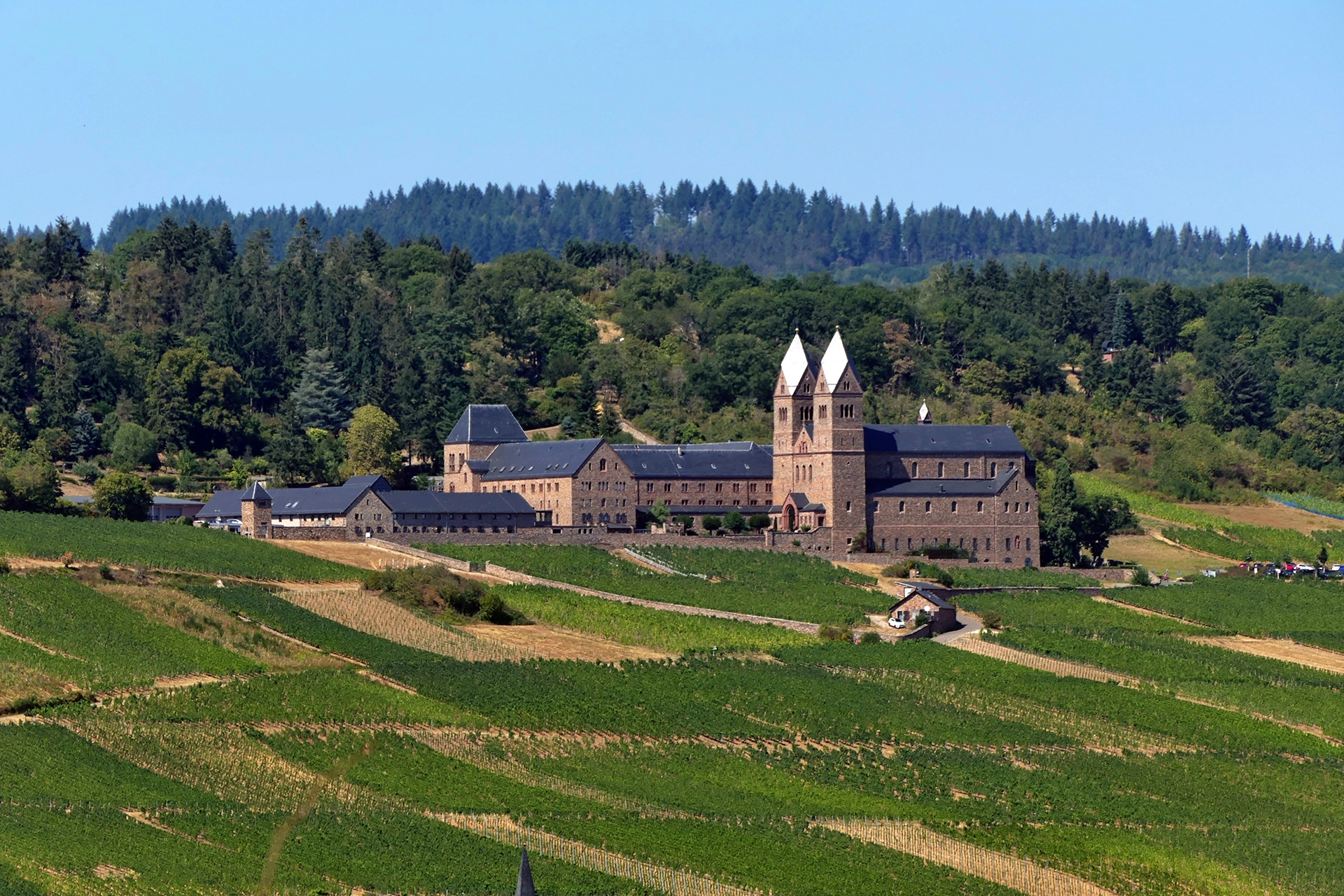
If beer is one of the most consumed beverages in the world, with countless styles and flavors for you to enjoy, much of your gratitude is owed to European monasteries and the monks and nuns who lived there.
Beers were produced and perfected in these places over the last millennium, drawing on the wisdom of the monastics and the way they passed this knowledge from generation to generation through written documents.
One of the most important figures in sharing this information, and also in introducing new ingredients, was Hildegard of Bingen, a 12th-century nun (1098–1179) who founded two monasteries near what is now Frankfurt, Germany, and who may have been the first person to describe scientifically for the time the importance of hops in beer production.
Hildegard of Bingen’s life was extraordinary. Besides being remembered in history as a prolific musician and writer, she was an advisor and physician to Frederick I, leader of the Holy Roman Empire, and a knowledgeable observer of the natural world and the effects of various herbs on human health. In one of the many books she wrote, which she called Physica, Hildegard describes the qualities of hops as a preservative when added to a beverage such as beer.
Hildegard of Bingen was not the first person to mention hops in beer production. That honor goes to Adelard of the Benedictine monastery of Corbie, in present-day France, who in 822 wrote that the abbots should provide a tenth of the malt and hops harvested to the monk responsible for brewing the beer. However, Adelard did not explain how the hops were used in making the beverage.
In the same book, Hildegard states that hops increased the melancholy of those who drank the beer, an observation that is relevant in light of what we know today: hops can have a calming effect on the body, promoting sleep.
“On hops: it is hot and dry and has moderate moisture. It is not very useful for man, because it increases melancholy (...). But as a result of its own bitterness, it prevents the putrefaction of beverages, to which it can be added, so that they last longer,” she writes in the chapter De Hoppho, according to the writer Martyn Cornell.
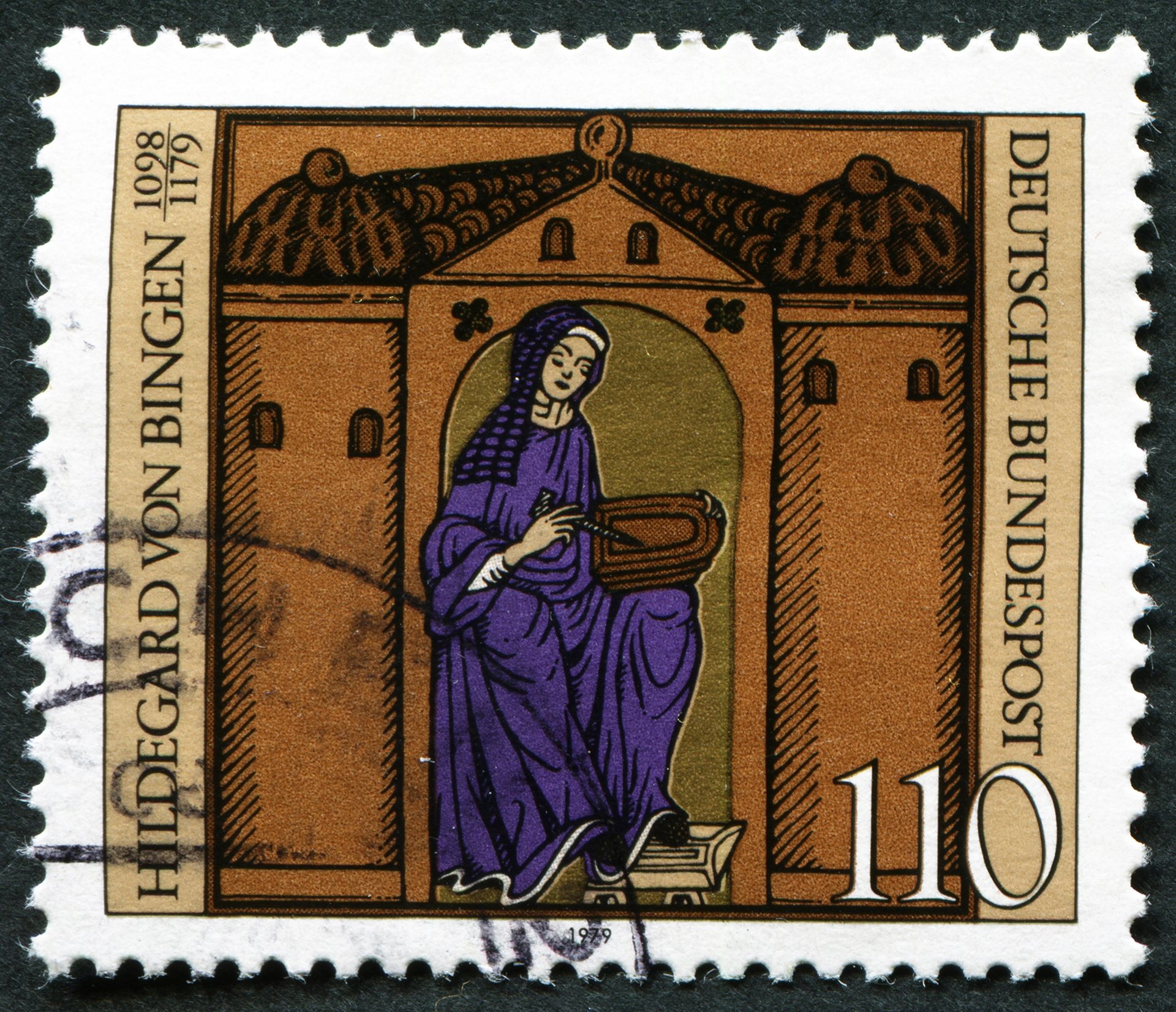
The Patroness of Hops
The nun also wrote about the properties of cereals such as barley, which she considered beneficial for the stomach and intestines. Many of her books, in fact, remain relevant to this day.
DID YOU KNOW
Inspired by the history and pioneering work of Hildegard of Bingen, several breweries honor the German nun with editions bearing her name.
Informally known as the “patroness of hops,” Hildegard holds other titles. She was beatified in 1326 by Pope John XXII and canonized in May 2012 by Pope Benedict XVI. On that date, she was also named a “Doctor of the Church,” becoming only the fourth woman to receive this distinction.
Her extensive knowledge may have contributed to her own longevity: in an era when the average life expectancy did not exceed 30 or 40 years, Hildegard lived to the age of 81. Was it genetics, mere coincidence, or some other influence, perhaps connected to the natural world, that made this possible?
The truth is that hops, a climbing plant that can reach 15 meters in height, contain a complexity and variety that influence all the styles of beer you drink, in their aromas and flavors. And, as the king of bitterness, it continues to amaze brewers and inspire new recipes for the industry and consumers today.