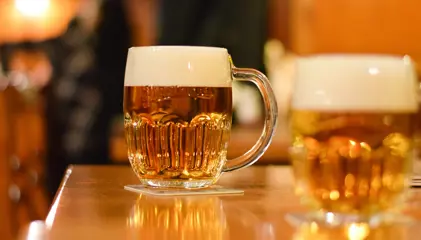
If necessity is the mother of invention, abstinence gave birth to a new kind of beer. The first non-alcoholic beer emerged following the National Prohibition Act—commonly known as the Volstead Act—passed by the U.S. Congress in October 1919. Under this law, no beverage could contain more than 0.5% alcohol by volume, prompting breweries to produce paler, milder beers. When Prohibition was repealed in 1933, many people had already developed a taste for this lighter style, and the preference endured.
Today, non-alcoholic beer is not only a staple in the portfolios of major brands but also represents a growing market segment. While its flavor was once criticized by more traditional palates, the methods for removing alcohol have improved significantly. The result is a wider variety of non-alcoholic beers with authentic taste, even though the label still raises some questions for consumers.
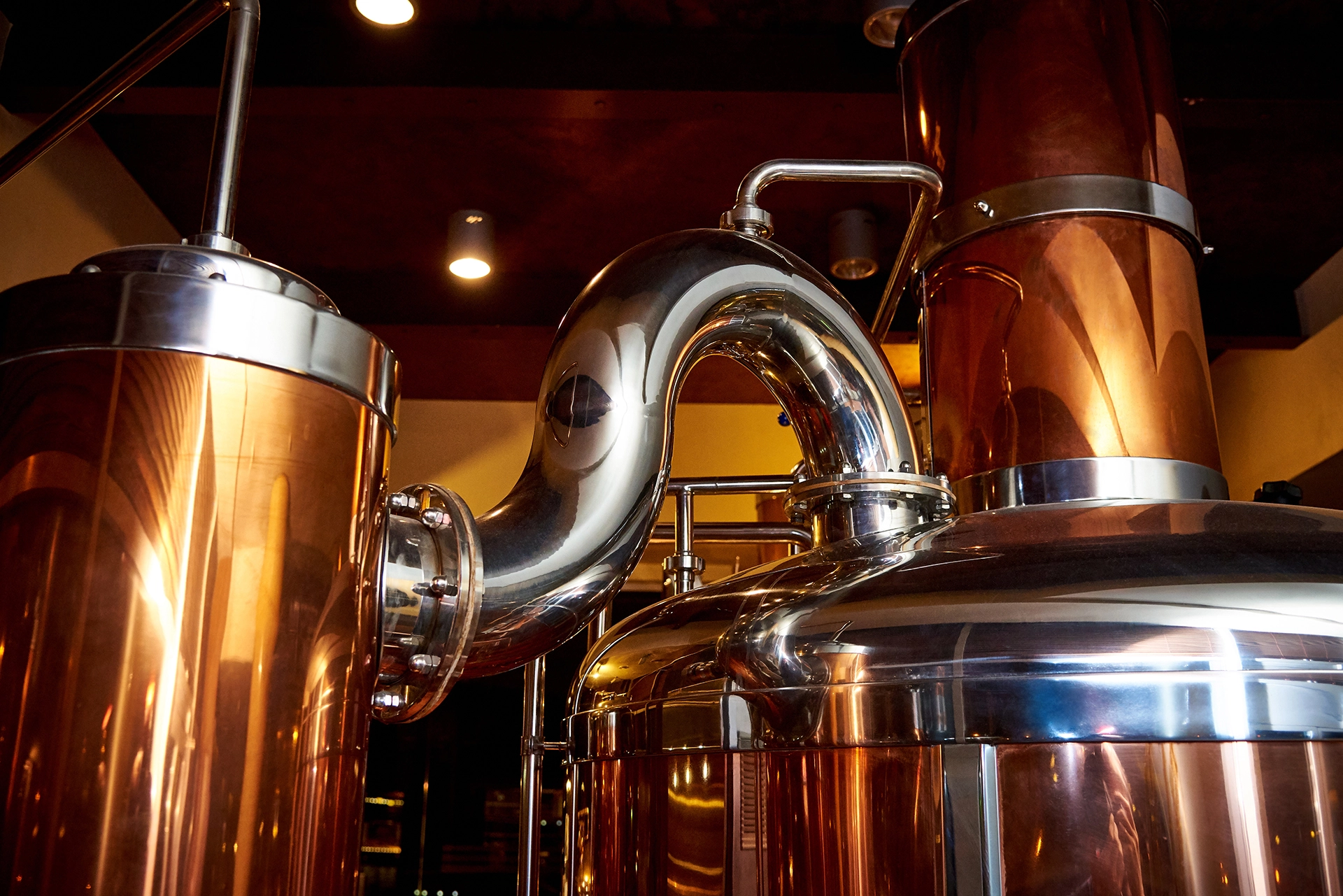
3 Facts About Non-Alcoholic Beer
1. Does non-alcoholic beer really have no alcohol?
In reality, non-alcoholic beer contains a small amount of alcohol. This is a natural result of the fermentation process. By definition, non-alcoholic beer is any beverage derived from the fermentation of beer wort that has had its alcohol content reduced.
According to Portuguese law, to carry this label, beer must have less than 0.5% alcohol by volume—a limit that is similar in most countries. While it might seem like a notable amount, it’s actually so low that it’s comparable to the alcohol naturally found in everyday foods. For instance, a ripe banana contains roughly the same amount of alcohol as one of these beers.
Sales of non-alcoholic and low-alcohol beers in Western Europe grew by 18% over the five years leading up to 2018, and were expected to grow by another 12% by 2022. In this context, it’s worth understanding what changes in the production process when brewing non-alcoholic beer.
2. How does beer become “non-alcoholic”?
It’s not a closely guarded secret—there are now many methods for removing alcohol from beer. Each brewery has refined its own techniques, but in general there are two approaches:
Biological approach | This involves modifying the traditional brewing process, for example through adjustments in milling or by interrupting cereal fermentation, with the goal of limiting alcohol formation.
Physical removal | The most commonly used method focuses on removing alcohol from traditionally brewed beer. This is done through distillation—similar to how liquor is made, but instead of preserving alcohol, it is removed. There are two ways to achieve this without heating the beer, which is crucial for preserving flavor:
Vacuum distillation: The beer is placed under a vacuum. The change in atmospheric pressure allows the liquid to boil at a low temperature, distilling the alcohol while keeping the beer’s taste intact.
If you want, I can also translate the third fact about non-alcoholic beer in the same clear, professional style. Do you want me to do that?
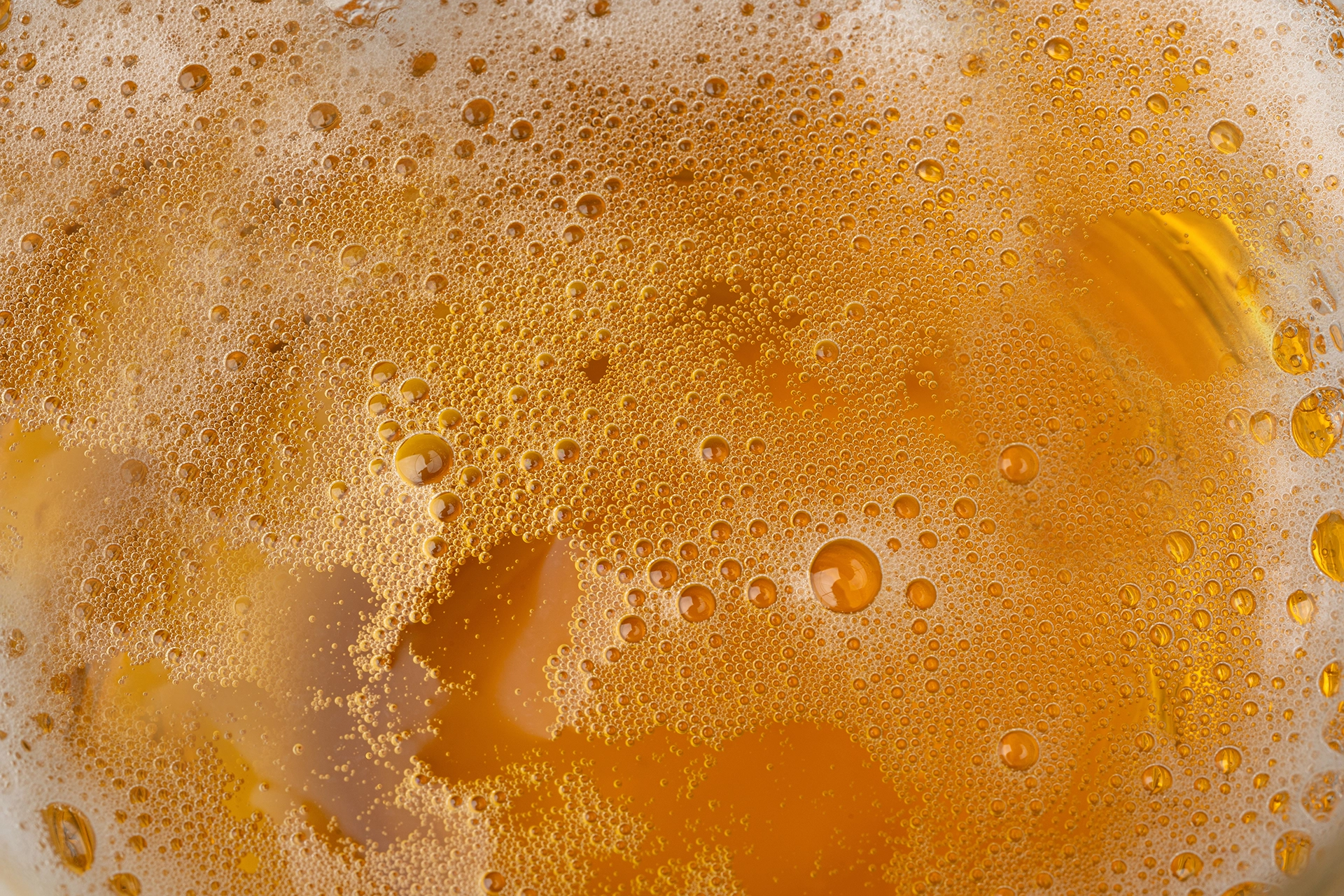
Reverse Osmosis: The beer is passed through a specialized filter that allows only alcohol, water, and certain acids to pass through. The alcohol is then distilled off, while the remaining water and acids are returned to the beer mixture on the other side of the filter.

Regardless of the method used, the key ingredients that give beer its aroma and flavor remain the same in non-alcoholic beer: hops and malt. With growing consumer interest, breweries are increasingly investing in refining their hop and malt blends. The result is non-alcoholic beers that are far more flavorful than those from the Prohibition era, offering a taste experience that is hard to compare to the early versions.
DID YOU KNOW?
In 1992, the first non-alcoholic beer was introduced in Portugal. Unicer launched the Cheers brand and later created Super Bock Twin for the same market segment.
In the United Kingdom, beers with an alcohol content below 0.5% are called “de-alcoholised beer.” “Alcohol-free beer” contains less than 0.05% alcohol by volume. There is also “low-alcohol beer,” which has less than 1.2% alcohol.
3. Is Non-Alcoholic Beer Healthier?
Because it contains a relatively low percentage of alcohol, beer in general can be part of a healthy lifestyle for adults when consumed in moderation.
Non-alcoholic beer offers additional benefits due to its low—or even nonexistent—alcohol content. For example, it typically contains fewer calories, according to the UK-based site Drinkaware. However, more research is needed to fully understand the health effects of non-alcoholic beer.
DISCOVER WHERE BEER COMES TO LIFE
VISIT THE SUPER BOCK BEER HOUSE