What is alcohol content?
Alcohol content is the percentage of alcohol present in a drink. In beer, it’s determined by how much of the fermentable sugars in the wort are converted into alcohol and CO₂ by the yeast during fermentation — one of the final stages of brewing.
Because alcohol is produced naturally during the brewing process, it must be measured. Monitoring alcohol content is a key part of a brewery’s lab work, both for quality control and legal compliance.
The average beer typically contains between 4.8% and 5.2% ABV (alcohol by volume), but it’s common to find beers ranging anywhere from 3% to 15%, and sometimes even higher.
How do brewers control a beer’s alcohol content?
It all starts with the brewer’s choice of style — that decision sets off a chain of processes and adjustments that ultimately determine the beer’s alcohol level.
Even before fermentation begins, several important steps help shape the final result:
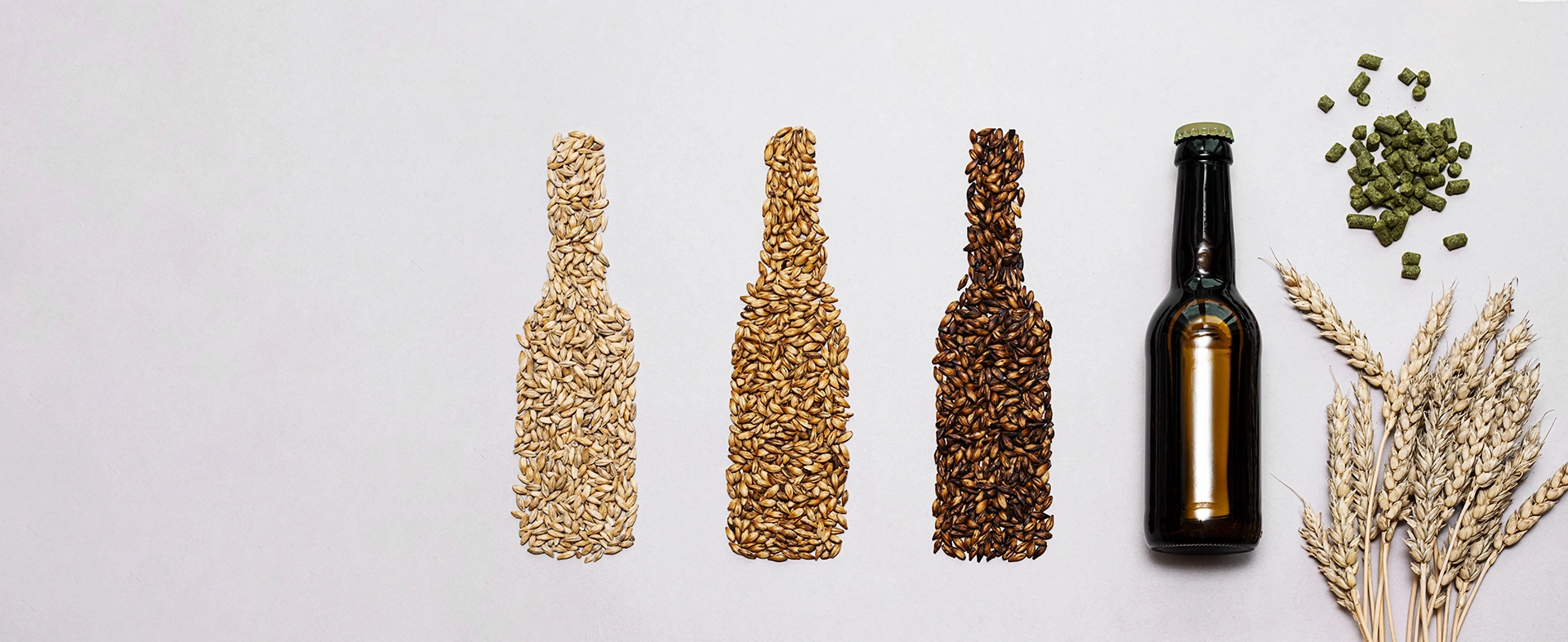
Malt selection: The type and amount of malt used influence how many fermentable sugars will be available.
Milling: In this initial stage, malted grains (and any unmalted cereals) are crushed to expose their starches.
Mashing: The crushed malt is mixed with water and held at specific temperature ranges that activate enzymes. These enzymes convert the starches into smaller sugar molecules that the yeast can later consume.
Finally, the type of yeast chosen is crucial. Different yeast strains ferment sugars at varying rates and produce different byproducts, influencing not only the alcohol level, but also the flavor and aroma of the finished beer.
By carefully controlling these variables, brewmasters can fine-tune how much sugar the yeast consumes — and craft beers with the exact character, complexity, and alcohol content they want.
Does Alcohol Content Affect the Taste of Beer?
Yes — but not in a direct way. You won’t necessarily taste the alcohol itself, since beer is crafted to be a balanced beverage, designed down to the smallest detail to deliver a pleasant drinking experience. Still, alcohol plays a key role in enriching the beer, working together with its other elements to create a complex yet harmonious flavor profile.
Because alcohol is volatile, it helps release the beer’s aromas by forming compounds that enhance its bouquet — mainly esters and acids, which develop through chemical reactions involving alcohol. In simpler terms, alcohol amplifies your sensory experience, making the beer’s aromas and flavors more expressive and noticeable.
Higher vs. Lower Alcohol Content: What Changes in the Beer?
Every beer style has its own identity, and while there are guidelines for each category, no two beers are ever exactly the same. The alcohol level of a beer depends primarily on fermentation, yeast selection, and the vision of the brewmaster.
As a general rule, the longer the yeast is allowed to act on the wort, the higher the alcohol content will be. Conversely, shortening the fermentation process results in a beer with lower alcohol levels — often lighter, crisper, and more refreshing in character.
FERMENTATION RHYMES WITH MODERATION
Drinking in moderation is not only a way to enjoy social moments — it’s also a value that most beer brands, along with other alcoholic beverage producers, actively promote through their commitment to responsible consumption.
On the Super Bock Group website, for instance, consumers can find detailed information about the company’s responsible drinking principles, as well as its social responsibility and ethical communication policies.
Here’s to moderation — and to enjoying beer the right way!