
The History of Beer in Portugal
Portugal's annual beer production could fill 280 Olympic-sized swimming pools.
HISTORY OF BEER IN PORTUGAL IN 25 GLASSES
1
0
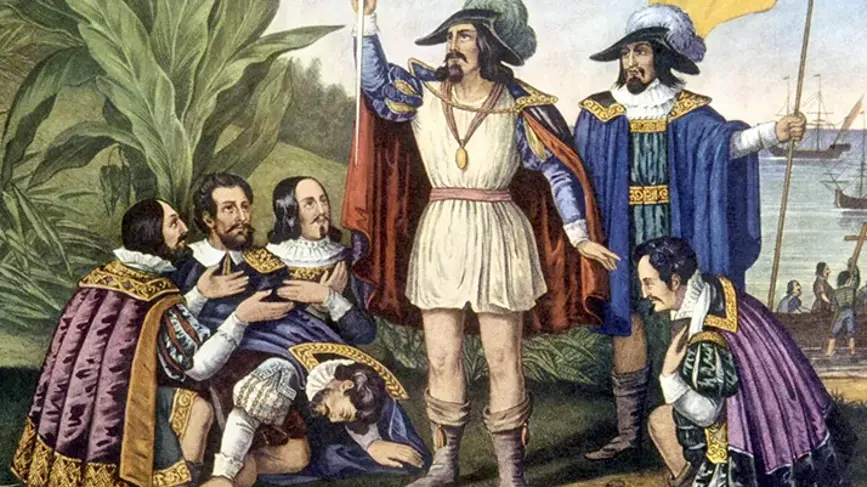
Beer among the Lusitanians
It’s believed that by the end of the 1st century BC, beer was already a common drink among the Lusitanians.
2
1
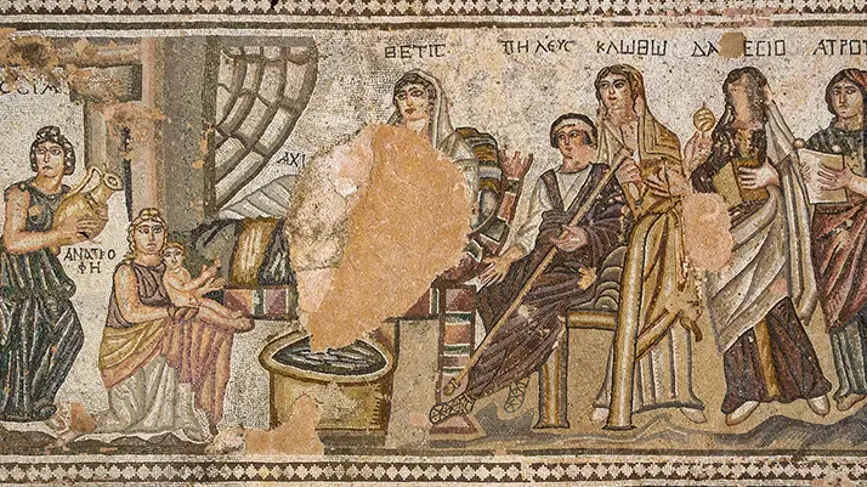
Home brewing after the fall of the Roman Empire
After the fall of the Roman Empire, from the 5th century onward, beer production became a household activity — mostly carried out by women.
3
2
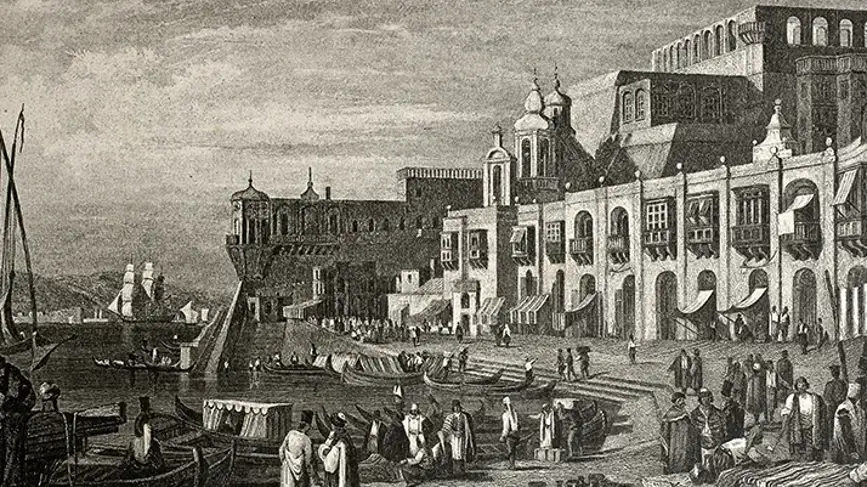
The beer trade in Portugal
It wasn’t until the 15th and 16th centuries that commercial records show evidence of beer in Portugal. Customs documents from that time confirm the import of beer from Northern Europe.
4
3
Domestic production and the rivalry with wine
In 1689, a complaint addressed to King Pedro II suggests that beer might already have been produced locally — and that it was seen as a threat to wine production.
5
4
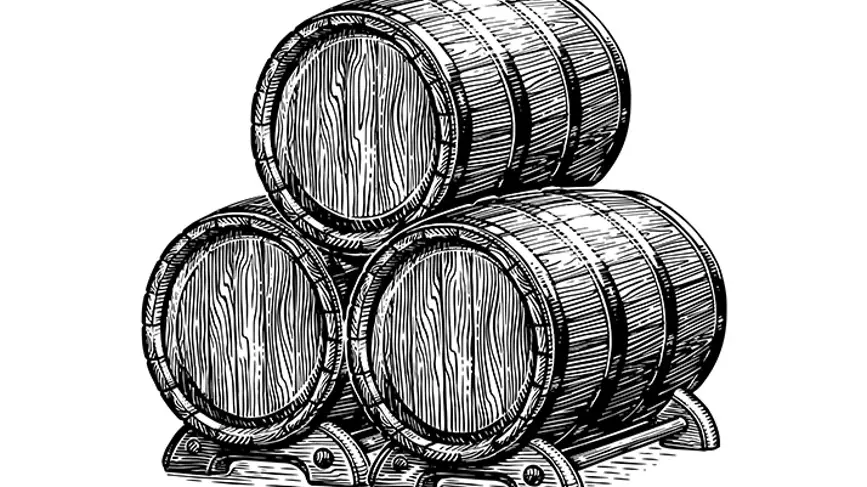
Royal ban on imported beverages
In 1710, King João V issued a royal decree banning the import of foreign beverages — including beer, wine, and spirits — from entering Portuguese ports.
6
5
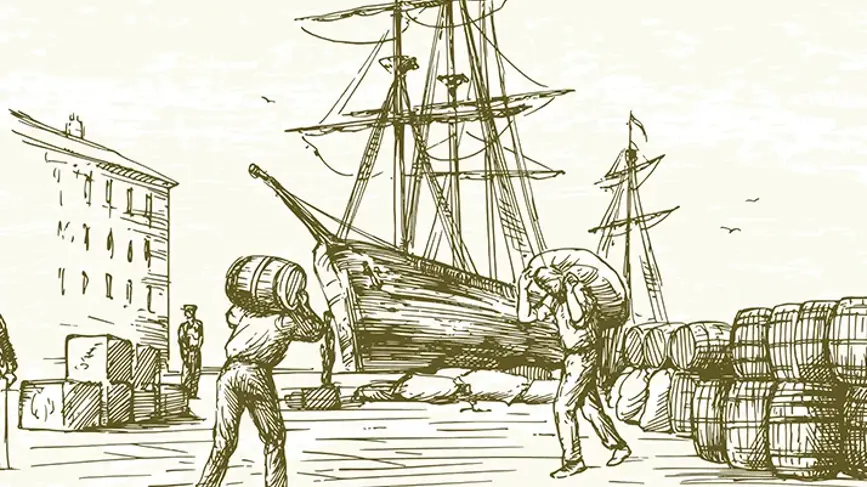
Beer returns to Portuguese ports
…But by the late 18th century, beer began arriving once again at Portuguese ports. English beer led the imports, followed by German, French, and Spanish varieties.
7
6
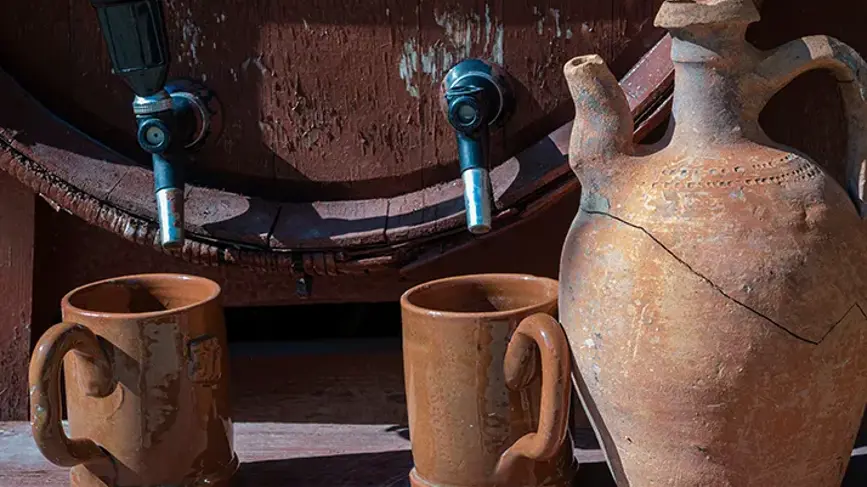
First beer outlets in the capital
Between the late 18th and early 19th centuries, the first beer-selling establishments appeared in the capital, located near the port area.
8
7
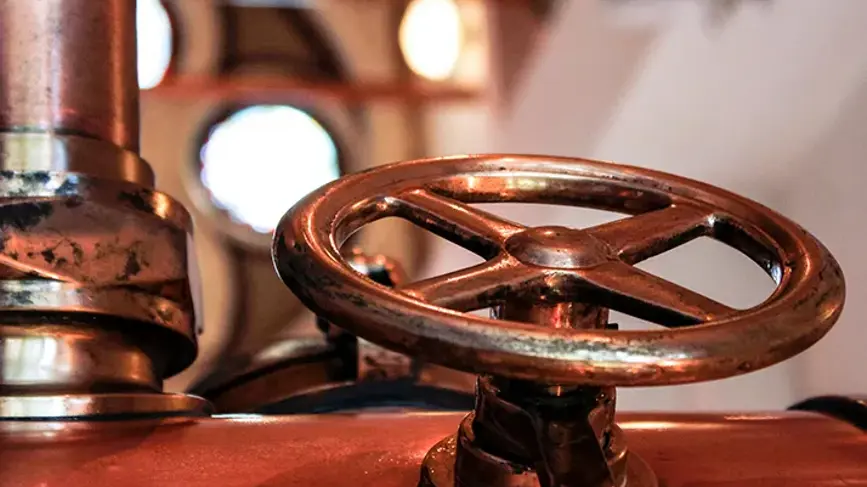
The first breweries
From the 19th century onward, the first small breweries began to emerge.
9
8
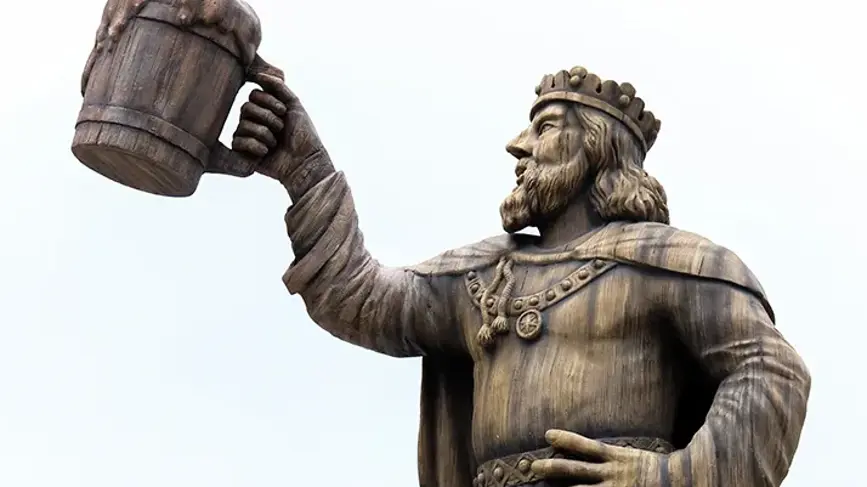
Renaissance of the beer industry
In the second half of the 19th century, after a turbulent period in Portuguese history, the beer industry in Portugal experienced a resurgence.
10
9
The birth of Cristal beer and CUFP
In 1890, Cristal beer was born, and the Companhia União Fabril Portuense (CUFP) was established — the predecessor of UNICER and today’s Super Bock Group.
11
10
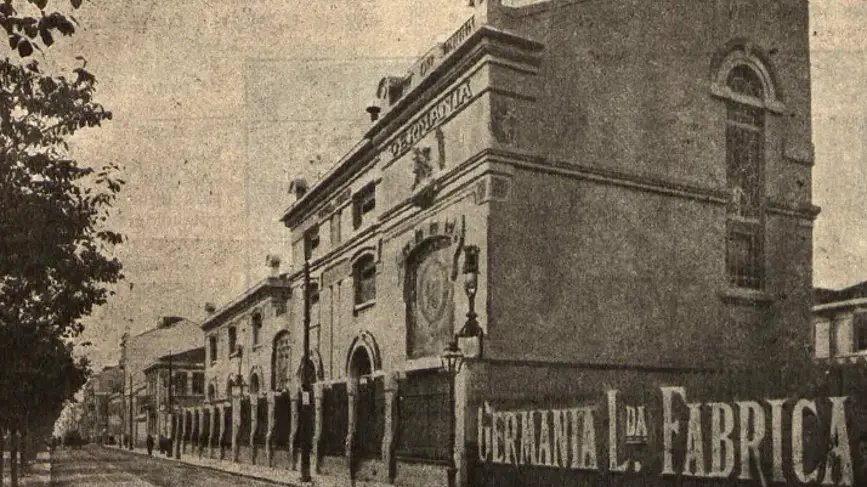
Germania becomes Portugália
In 1916, Portugal entered World War I on the side of the Allies and against Germany. As a result, the Germânia brewery changed its name to Portugália.
12
11
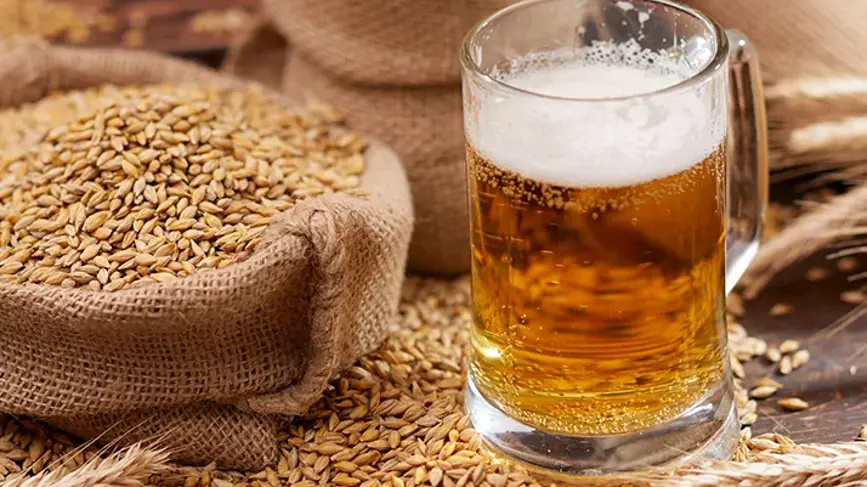
Resumption of barley and malt imports
After the war, in 1918, the economy recovered, and Portugal resumed the import of German barley and English malt.
13
12
Women's entry into CUFP
The hiring of female labor in the beer industry began for the first time at CUFP in 1920.
14
13
Registration of the Super Bock brand
On March 3, 1927, the application for the registration of the Super Bock brand was submitted, and it was accepted on November 9 of the same year.
15
14
Beer hubs in major cities
The main beer breweries were located in major cities: Lisbon, Coimbra, Porto, Ponta Delgada, and Funchal.
16
15
International crisis and the brewing war
The international crisis intensified between 1931 and 1933. This was followed by a "war" between breweries from the central and northern regions, leading to a significant decline in production volumes.
17
16
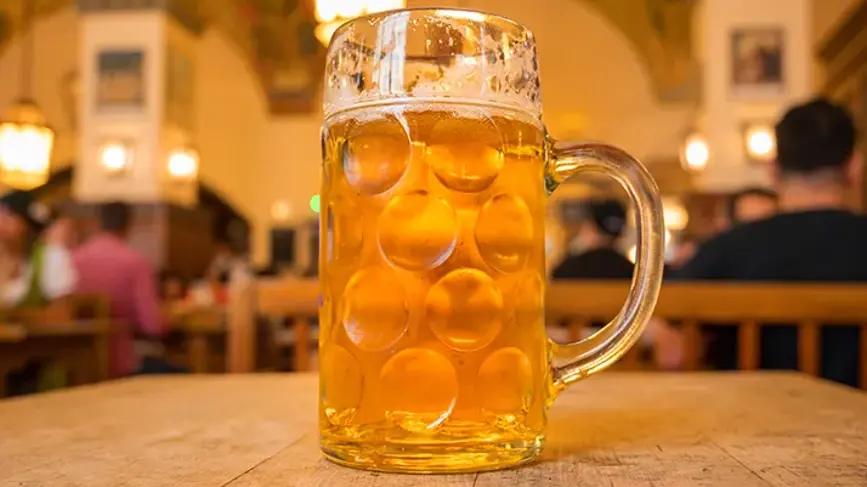
An average annual consumption of 1 liter per person
In 1935, the average annual beer consumption per person was 1 liter.
18
17
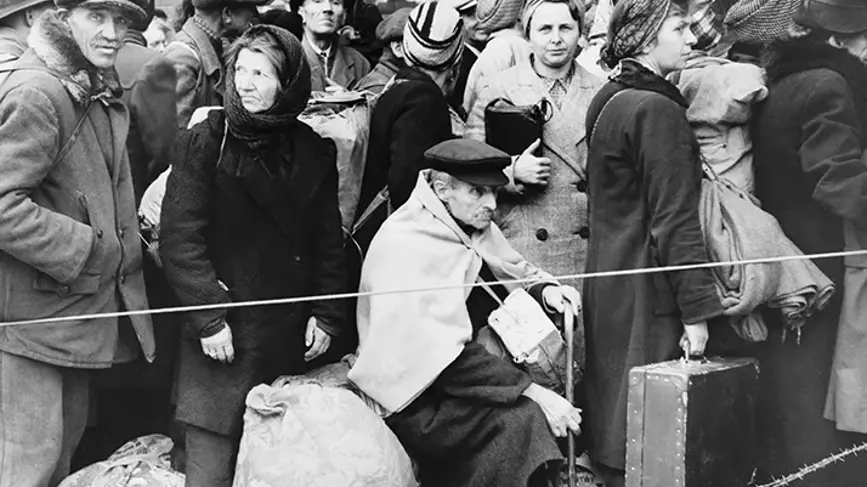
World War II and the disruption of supply chains
In 1942, during World War II, the supply of raw materials was severely disrupted.
19
18
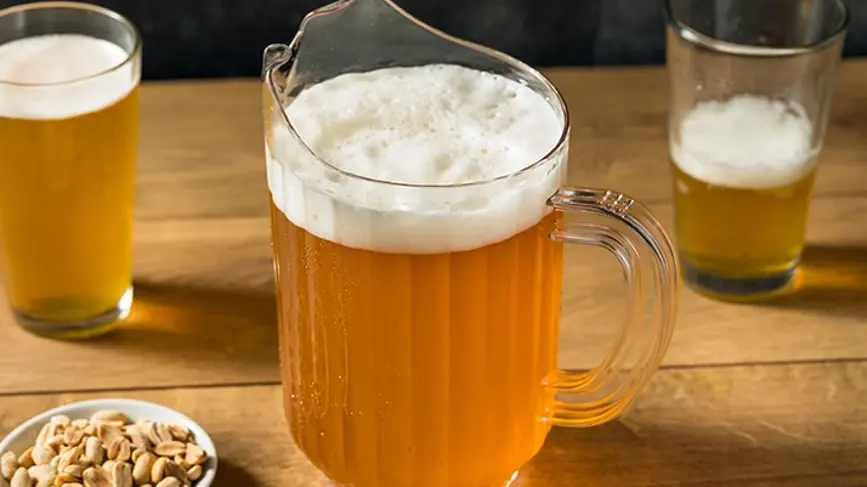
Post-war consumption
After the war, beer consumption increased, reaching an average of about 4.6 liters per person by 1960.
20
19
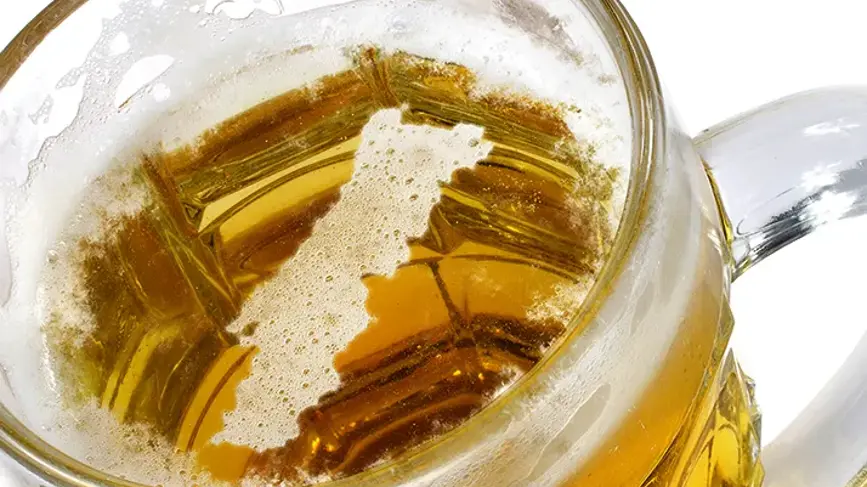
The major breweries of Lisbon and Porto
In 1966, the two major brewing companies from Lisbon and Porto began collaborating in an export office.
21
20
Entry into the EEC and market opening
Portugal joined the European Economic Community in 1986, and the previously closed national market opened up to foreign brands.
22
21
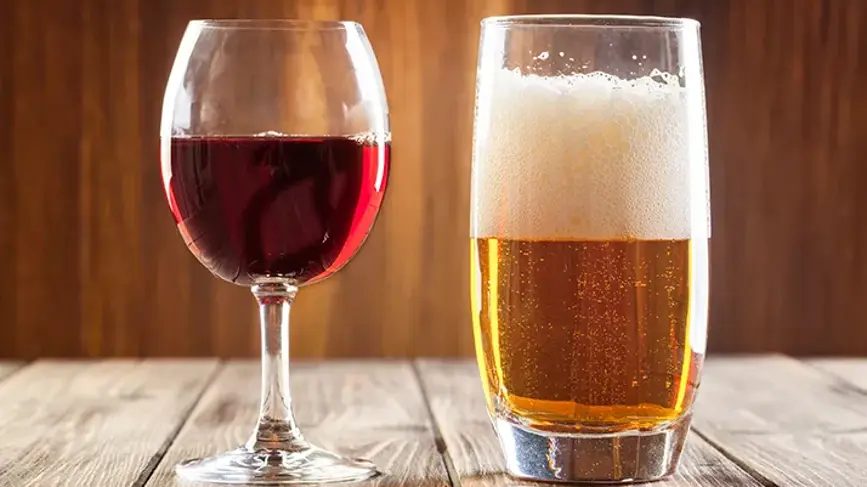
Beer surpasses wine in consumption
In 1989, beer consumption surpassed wine consumption.
23
22
Foundation of the Brotherhood of Beer
In April 2003, the Brotherhood of Beer was officially founded. Its mission was to defend beer heritage, promote, and celebrate the benefits of beer in its many forms.
24
23
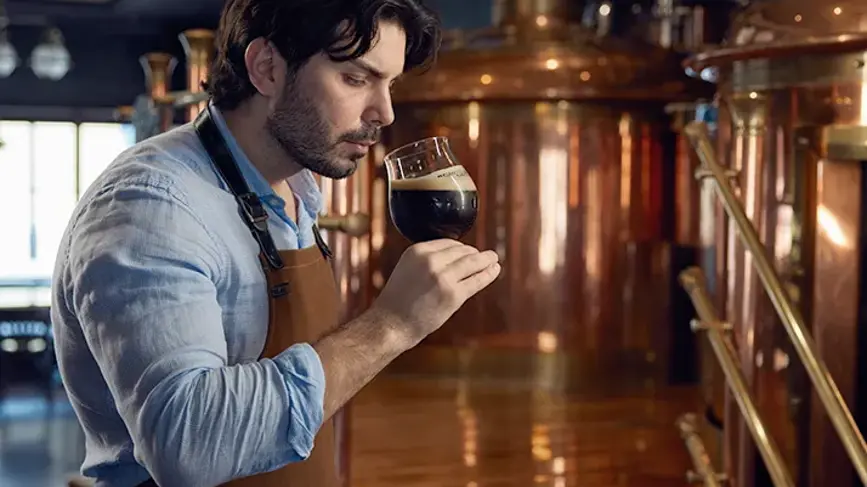
Craft beers
Around 2011, the rise of craft beers began, a movement that brought significant attention to the world of beer.
25
24
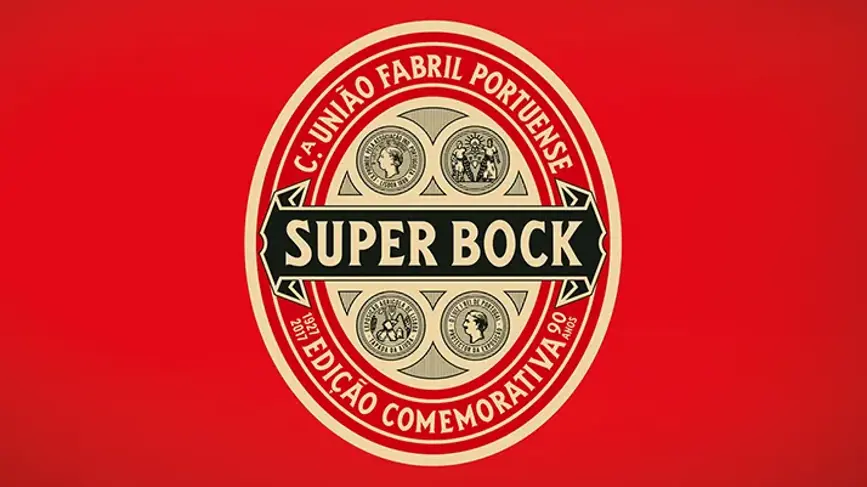
90 years of Super Bock
In 2017, Super Bock celebrated its 90th anniversary. Unicer then became Super Bock Group.